The Benefits of Music Therapy for Seniors
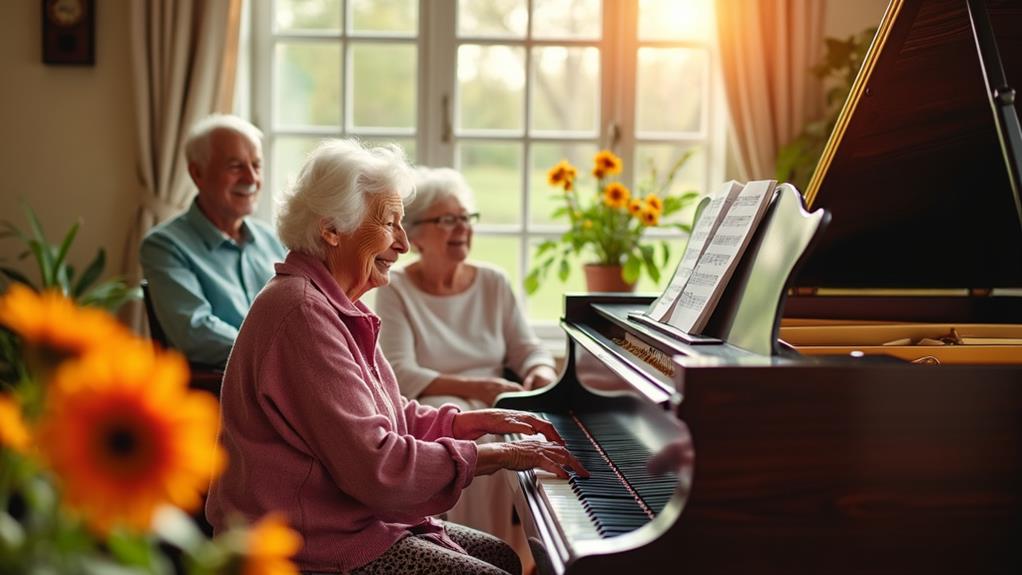
You'll find that music therapy offers immense benefits for seniors, enhancing physical, emotional, and cognitive well-being. It encourages physical activity through walking and dancing, which strengthens muscles and improves balance. Emotionally, it reduces symptoms of anxiety and depression, while fostering social connections and emotional expression. For those with dementia, music therapy helps bridge communication gaps and triggers positive memories. No musical talent is required—qualified therapists tailor interventions to individual needs. Incorporating music into daily life can greatly improve overall health and happiness. Uncover more on how music therapy transforms seniors' lives next.
What Is Music Therapy?
Music therapy is an established health profession that uses music-based interventions to address a range of needs in seniors, including physical, emotional, cognitive, and social aspects. Through music therapy, seniors can improve their overall quality of life, benefiting from both active and receptive approaches. Active music therapy involves engaging in activities like playing instruments and singing, which can stimulate cognitive function and foster social interaction. Receptive music therapy, on the other hand, focuses on mindful listening to curated music, helping to meet emotional needs and reduce symptoms of stress and anxiety.
No musical talent is required to participate in music therapy, making it accessible to all seniors. Qualified music therapists are trained professionals who tailor these interventions to the individual needs of each participant. This personalized approach guarantees that seniors receive the maximum health benefits from their sessions. By working with a certified music therapist, seniors can experience improved memory, improved social connections, and a greater sense of emotional well-being. Music therapy's ability to address a myriad of needs holistically makes it a valuable tool in promoting a healthier, more fulfilling life for older adults.
Physical Health Benefits
Engaging in music therapy brings a multitude of physical health benefits to seniors, improving their thorough well-being. Music therapy programs encourage physical activity, prompting seniors to engage in movements like walking, dancing, and stretching. These activities greatly enhance general mobility and physical fitness. You'll find that regular participation in these programs can improve your cardiovascular health, leading to lower blood pressure and reduced heart rates. This improvement in heart health is fundamental for maintaining an active and healthy lifestyle.
Additionally, music therapy helps in improving muscle strength and bone density. By engaging in rhythmic movements and exercises, seniors can reduce the risk of falls and injuries. Enhancing muscle strength and balance is necessary for maintaining independence and a high quality of life. Balance and coordination exercises integrated into music therapy are particularly effective in promoting physical health.
Moreover, the physical engagement facilitated by music therapy contributes to better general health outcomes. Increased physical activity levels fostered through these programs can lead to more liveliness and a greatly improved quality of life. By incorporating music into physical routines, seniors can enjoy a more active, healthier, and fulfilling lifestyle.
Mental Health Benefits
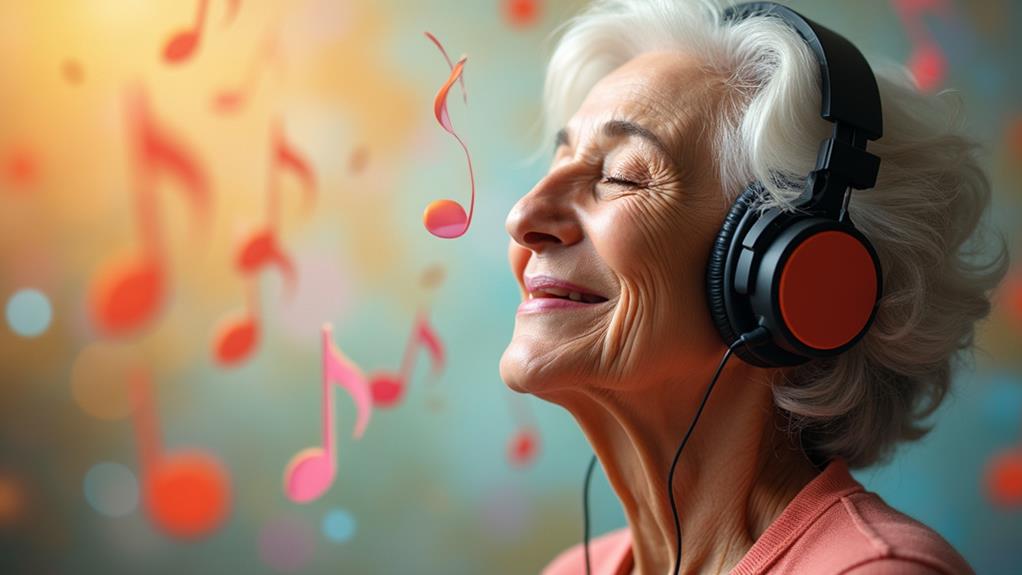
Taking part in music therapy brings a wealth of mental health benefits to seniors, greatly improving their emotional and psychological well-being. Music therapy has been shown to greatly reduce symptoms of anxiety and depression, offering an effective alternative to medication-based interventions. By engaging with music, seniors can express emotions and feelings that they may struggle to verbalize, fostering emotional relief and connection.
Moreover, group music therapy sessions elevate social interaction among elderly participants. This social activity helps combat feelings of loneliness and isolation, which are common among seniors. The communal experience of making music can create strong bonds and improve general mental health.
Music therapy also aids in trauma recovery by providing a safe environment for seniors to express and process their emotions, promoting psychological healing. Familiar melodies can evoke memories and stimulate positive emotions, which is particularly beneficial for those with dementia. This stimulation of cognitive functions and recall of cherished memories can greatly improve a senior's quality of life.
Music Therapy for Dementia
For individuals with dementia, music therapy can be a powerful tool to bridge communication gaps. When verbal communication becomes challenging, music therapy steps in to help seniors express their feelings and thoughts. Familiar music can work wonders by considerably reducing stress, anxiety, and agitation, therefore improving emotional well-being for those battling dementia.
Engaging with familiar tunes isn't just about feeling good; it also triggers strong memories. These memories can enhance mood and reconnect individuals to their past experiences. You'll find that playing well-known songs can evoke a sense of comfort and emotional engagement, even in the advanced stages of dementia.
Music therapy has another hidden benefit: it increases key brain chemicals that promote mood stability and reduce agitation. By providing emotional comfort, it can make a notable difference in a senior's daily life. Furthermore, research shows that music therapy can improve cognitive stimulation through reminiscence and emotional recall. This stimulation has the potential to slow cognitive decline.
Incorporating music therapy into a dementia care plan helps in multiple ways—fostering communication, improving emotional well-being, and providing stress relief. It's a holistic approach that taps into the power of familiar music and cherished memories.
Getting Started
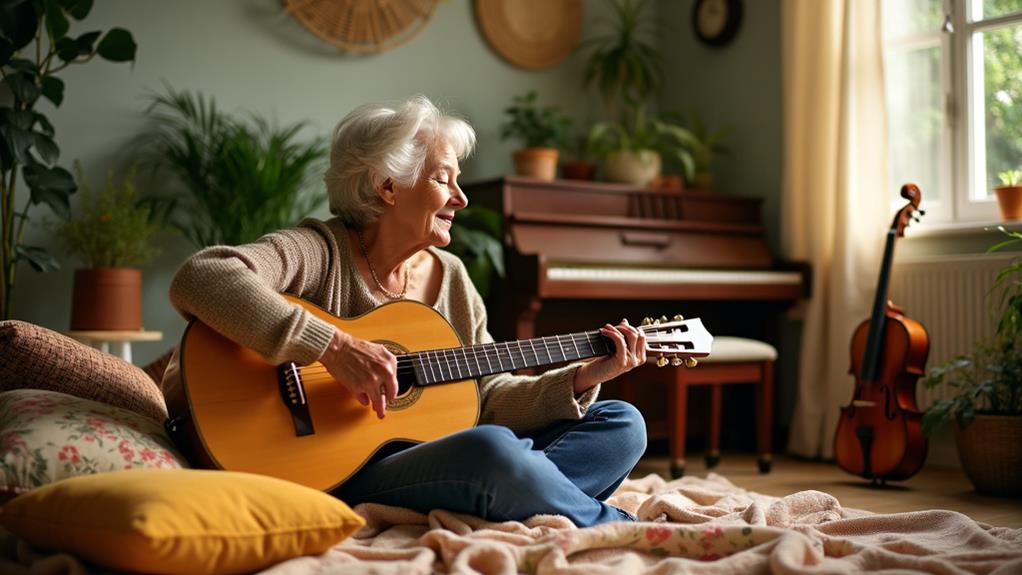
Starting with music therapy for seniors is easier than you might think. Begin by integrating music into daily activities. Create personalized playlists that reflect your loved one's preferences and moods. This can greatly improve their emotional well-being. You don't need professional music skills for this; listening to favorite songs, singing along, or even playing simple instruments can be incredibly beneficial.
To guarantee more structured and effective interventions, consider working with certified music therapists. You can easily find these professionals through the American Music Therapy Association's directory. They can provide tailored therapy sessions that address specific needs and conditions.
For a more enriching experience, encourage seniors to attend live concerts or community performances. These events not only offer cognitive engagement but also foster social interaction, crucial for emotional health.
Using streaming platforms like Spotify and YouTube makes it easy to access a wide variety of music. This can evoke nostalgic experiences that mentally stimulate and comfort seniors. Regardless of whether it's a favorite childhood song or a classic tune, the familiarity can be a powerful tool for engagement.
Don't hesitate to start incorporating music into your loved one's life—it's a simple yet effective way to increase their general well-being.