The Benefits of Tai Chi and Yoga for Seniors
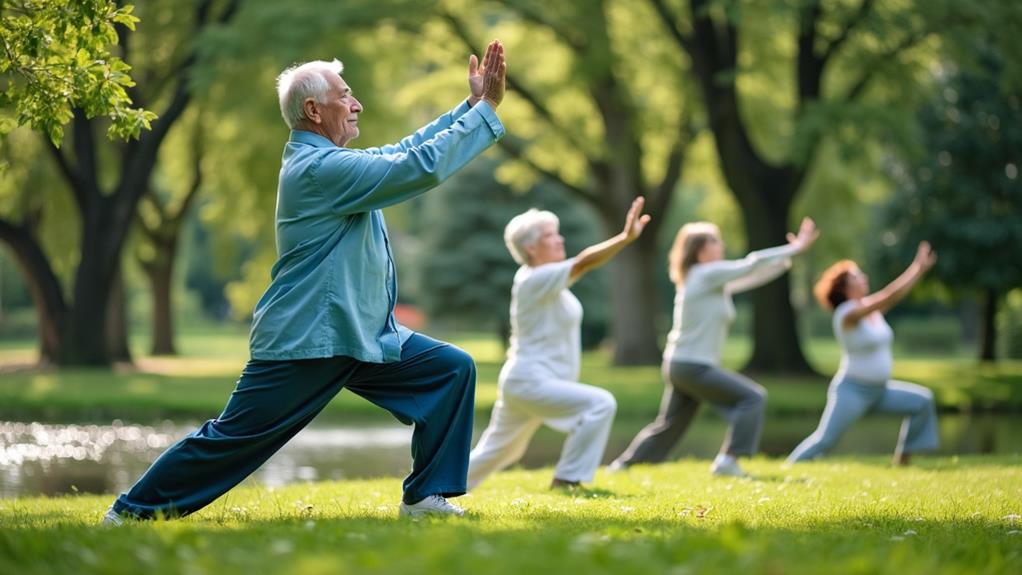
You'll find that Tai Chi and yoga offer seniors numerous benefits for physical health, mental well-being, and social interaction. Tai Chi's slow, deliberate movements improve balance, strength, and reduce fall risks, while also improving mental clarity and relaxation. Yoga increases flexibility and strengthens muscles, alleviating chronic pain and enhancing respiratory function. Both practices reduce anxiety and depression, promote mindfulness, and improve cognitive function. Furthermore, the social aspect of group classes helps combat isolation and fosters community. By integrating these practices into your routine, you'll potentially boost your overall quality of life and find deeper insights into your well-being.
What Is Tai Chi?
Tai Chi is a traditional Chinese martial art that focuses on slow, deliberate movements designed to promote relaxation and mental clarity. Known as "meditation in motion," Tai Chi practice incorporates principles from Taoist philosophy, emphasizing the balance of yin and yang to achieve harmony. It's an exercise that doesn't require any special equipment, just comfortable clothing, making it accessible to everyone, especially seniors.
One of the key benefits of Tai Chi is its ability to improve both physical and mental health. The practice helps improve balance and proprioception, vital for fall prevention among older adults. Numerous studies have shown that Tai Chi greatly reduces fall incidents, providing a safer and healthier lifestyle for seniors.
Moreover, Tai Chi practice is known to improve strength, flexibility, and comprehensive physical fitness. It's an excellent way to stay active without the high impact or strenuous demands of other exercises.
The slow, deliberate movements also help to reduce anxiety, offering a calming effect that improves mental well-being. By incorporating Tai Chi into your routine, you'll find a holistic approach to health that nurtures both your body and mind.
Physical Health Benefits of Tai Chi
Building on the foundational understanding of Tai Chi, let's investigate its physical health benefits for seniors. One of the key benefits of tai chi for seniors is its ability to improve balance and proprioception. This improvement in stability and coordination is essential for fall prevention, a significant concern for older adults. When you practice Tai Chi regularly, you can expect increased lower body strength, which promotes better mobility and elevates confidence in your physical movements.
Additionally, Tai Chi offers numerous cardiovascular health benefits. It can lower blood pressure and improve circulation, contributing to your general physical well-being. The practice also helps alleviate chronic pain, particularly in conditions like arthritis, by improving joint flexibility and promoting muscle relaxation.
Let's break down the physical health benefits of Tai Chi into three important areas:
- Improved Balance and Fall Prevention: Enhanced stability and coordination reduce the risk of falls.
- Increased Lower Body Strength: Promotes better mobility and confidence.
- Cardiovascular Health: Lowers blood pressure and improves circulation.
Mental Health Benefits of Tai Chi
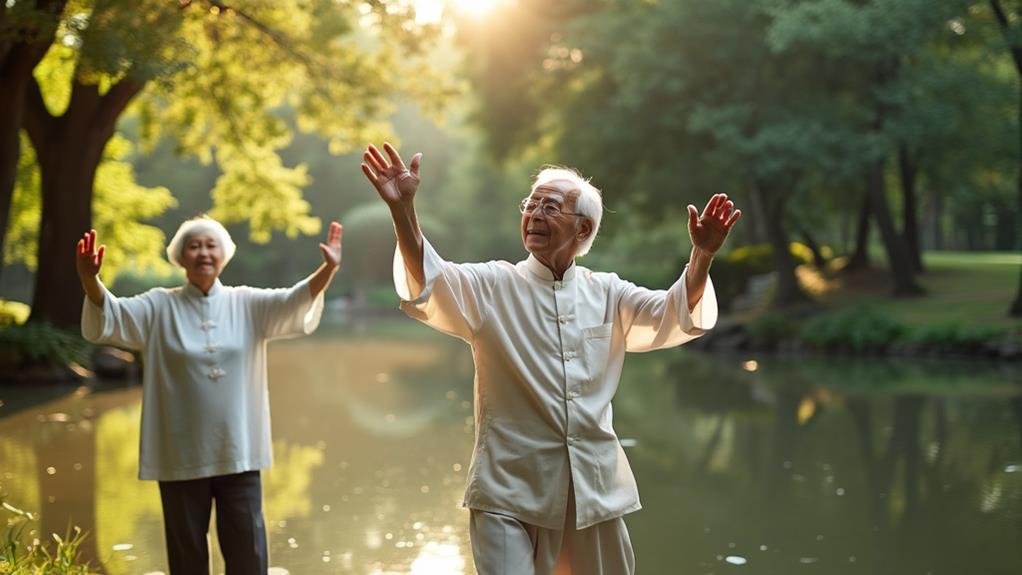
While many people appreciate Tai Chi for its physical benefits, its mental health advantages are likewise compelling, especially for seniors. Practicing Tai Chi offers considerable mental health benefits, particularly for older adults. It's been shown to greatly reduce symptoms of anxiety and depression, enhancing general emotional well-being. The meditative and mindful movements of Tai Chi promote a sense of mindfulness, contributing to improved mental clarity and relaxation.
Research indicates that regular practice can enhance cognitive function and memory, potentially helping to prevent cognitive decline. Studies have even found that older adults who practice Tai Chi experience greater mood improvements and reduced stress levels compared to those engaging in traditional exercise.
Moreover, Tai Chi encourages the release of endorphins, the body's natural mood lifters, leading to increased feelings of happiness and reduced feelings of isolation. The focus on mindfulness in Tai Chi helps you to stay present, fostering a more relaxed and clear state of mind. In turn, this contributes to general mental health, making Tai Chi an excellent choice for older adults seeking to enhance their mental and emotional well-being.
Social Engagement Through Tai Chi
Engaging in Tai Chi offers not just physical and mental benefits, but also valuable opportunities for social interaction among seniors. When you join tai chi classes, you're not just participating in physical activity; you're also fostering social engagement and building community support. Practicing Tai Chi with others can help reduce feelings of isolation and loneliness, which are common among older adults.
Participating in group activities like Tai Chi encourages the formation of friendships and support networks. Shared experiences in these classes motivate you and your peers to continue your practice, creating a sense of camaraderie. Here are three ways Tai Chi promotes social engagement:
- Community Support: Group sessions provide a social outlet and a support system, contributing to improved mental well-being.
- Friendships: Regular interaction in classes can lead to meaningful friendships, enhancing your general quality of life.
- Health Outcomes: Social engagement through Tai Chi is linked to better health outcomes, including lower rates of depression and anxiety.
Many community centers and senior facilities offer accessible Tai Chi classes, allowing you to connect with peers while enjoying a beneficial physical activity. This combination of social and physical engagement can greatly improve your quality of life.
Learning and Practicing Tai Chi
Participating in Tai Chi classes fosters social connections, but how do you actually start practicing this beneficial form of exercise? Initially, find a class at a local community center, gym, or online platform. These classes typically meet 2-3 times a week, making it easy to integrate Tai Chi into your routine. One of the great aspects of Tai Chi is that it doesn't require any special equipment—just comfortable clothing and a bit of space.
Begin with simple movements like shifting your weight slowly from side to side. This helps warm up your body, promoting relaxation and coordination. As you advance, you'll learn more complex forms that combine martial arts movements with deep breathing techniques. These practices not only improve your range of motion but also boost your lung capacity and mindfulness.
Regular Tai Chi practice can lead to significant improvements in balance, flexibility, and strength. These health benefits of Tai Chi are particularly essential for seniors, as they help reduce the fear of falling. Tai Chi can even serve as a form of physical therapy, aiding in the rehabilitation of injuries and chronic conditions. By committing to Tai Chi, you're investing in a holistic approach to well-being.
Yoga for Physical Health
Yoga offers numerous physical health benefits for seniors, making it a valuable improvement to any wellness routine. Regular practice improves flexibility, with studies showing up to a 30% increase in joint range of motion. This is essential as it helps maintain mobility and independence. Strengthening muscles and improving balance also contribute to fall prevention, reducing the risk by 30% compared to those who don't practice.
Incorporating yoga into your routine can be especially advantageous for managing chronic pain. Evidence suggests that about 75% of participants experience reduced pain levels after consistent practice. Yoga isn't just about stretching; it incorporates breathing techniques that boost lung capacity and respiratory function, especially significant for seniors with chronic respiratory conditions. This can be as helpful for seniors as a light cardio workout, and it's gentler than conventional exercise methods.
Consider these key physical health benefits of yoga for seniors:
- Flexibility and Balance: Improves joint range and reduces fall risks.
- Pain Management: Significant reduction in chronic pain.
- Cardiovascular Health: Lowers blood pressure and heart rate, reducing the risk of heart failure.
Just as Tai Chi can improve your general wellness, yoga provides extensive physical conditioning that addresses multiple health conditions.
Yoga for Mental Well-being
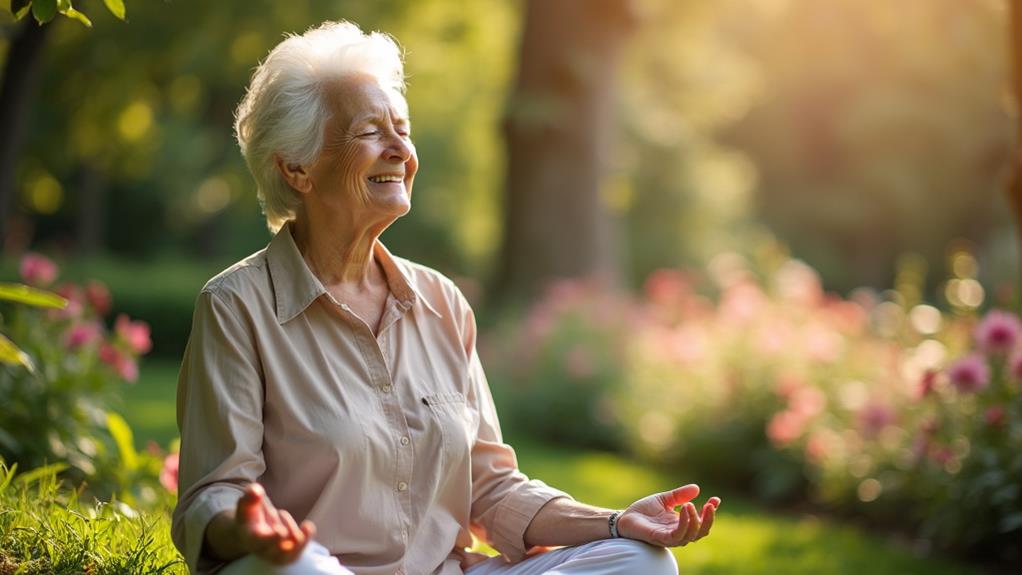
While yoga offers remarkable physical health benefits, its impact on mental well-being is likewise substantial for seniors. Practicing yoga can greatly reduce symptoms of anxiety and depression, improving your emotional well-being through mindfulness and breath control. Just like the benefits of Tai Chi, yoga fosters a relaxation response that lowers cortisol levels, helping you manage stress effectively.
Regular yoga practice also increases cognitive function and memory, potentially mitigating age-related cognitive decline. Research published in the Journal of Alternative and Complementary Medicine reveals that seniors who practice yoga report improved quality of life and greater general satisfaction compared to those who don't. This improvement in mental well-being can parallel the cognitive improvements seen in the practice of Tai Chi.
Moreover, yoga's gentle poses and stretches not only improve flexibility, balance, and strength but also contribute greatly to your mental well-being. Enhanced physical stability can reduce the risk of falls and injuries, promoting a sense of confidence and emotional security. This holistic approach is especially beneficial for those managing chronic conditions like chronic obstructive pulmonary disease, offering an all-encompassing way to improve both body and mind. So, incorporating yoga into your routine can be a powerful tool for general well-being.