What to Do When a Senior Refuses Care

When a senior refuses care, start by understanding their concerns and fears, often tied to losing independence or past negative experiences. Use simple, clear language and active listening to validate their feelings. Introduce help gradually, maybe with specific tasks like grocery shopping, to avoid overwhelming them. Empower them by framing help around improved quality of life and maintaining autonomy. Involve family and trusted professionals to build a supportive network. Addressing emotional barriers and respecting their choices can ease the shift. Exploring these strategies further will provide more insights into handling this delicate situation effectively.
Reasons for Resistance
Aging can often trigger fear of losing independence and control, causing seniors to resist accepting help. The societal stigma around aging can make seniors feel undesirable, which complicates the process of seeking assistance. This stigma can lead to a refusal of care, as they endeavor to maintain their sense of self-worth and identity.
Many seniors have a strong identity tied to self-sufficiency, making it difficult for them to accept help. Cognitive decline and physical impairments only heighten their frustration and feelings of helplessness. This often results in a refusal to acknowledge the need for assistance, as accepting help may feel like an admission of their declining abilities.
Communication also plays a vital role. When you adjust your communication style by speaking louder or slower, it can unintentionally make seniors feel undervalued or patronized. This can negatively impact their mental health, further fueling their refusal to accept care.
Understanding these reasons for resistance is fundamental when exploring care options. Recognizing the emotional and psychological factors at play will enable you to approach the topic with empathy, making it easier to discuss and implement necessary assistance without compromising their independence.
Effective Communication Techniques
Understanding the emotional and psychological barriers seniors face when refusing care sets the stage for employing effective communication techniques. Start by using active listening to grasp their perspective fully. Make sure to validate their feelings and concerns about aging and independence. This helps create a supportive environment where they feel heard and respected.
When discussing care options, frame the conversation around the benefits of accepting care. Highlight how it can improve their quality of life rather than reduce their independence. Use open-ended questions to encourage dialogue, allowing them to express their thoughts and fears openly. This approach promotes a more constructive and honest conversation.
Involve trusted family members or friends in these discussions. Peer encouragement can positively influence the senior's willingness to evaluate care options. Their insights and shared experiences can provide a comforting perspective.
Maintain a calm tone throughout your conversations. Avoid using ultimatums, as these can create resistance rather than cooperation. A calm and respectful approach fosters a supportive environment, making it easier for the senior to contemplate accepting care. By employing these effective communication techniques, you can help them see the positive impact on their quality of life.
Gradual Introduction of Help
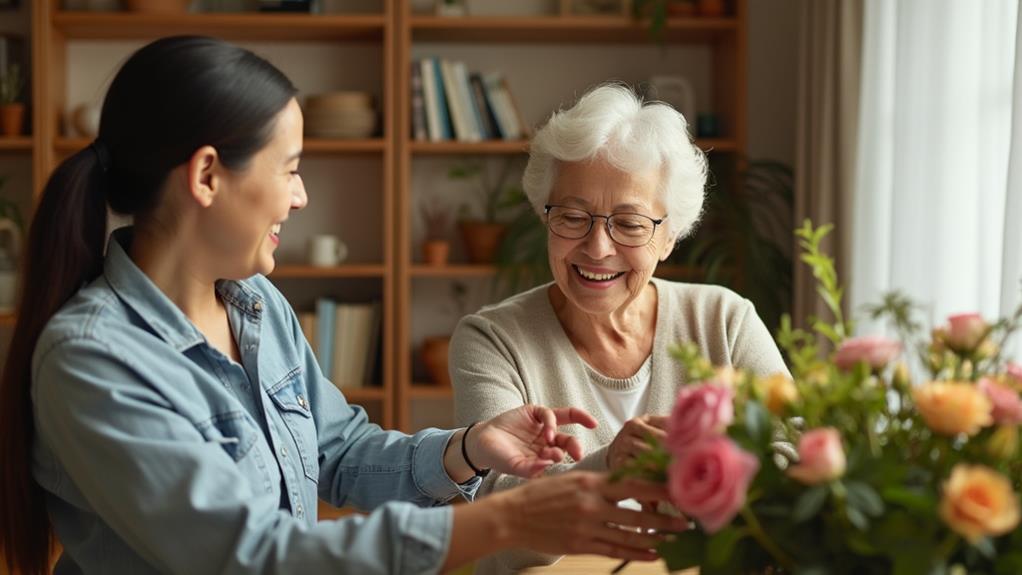
Easing seniors into accepting care starts with small, manageable changes that won't overwhelm them. Begin by offering to assist with specific tasks like grocery shopping or driving. This approach helps your older loved one see the benefits of help without feeling their independence is threatened. Introducing in-home help for limited hours can also be beneficial. This allows them to maintain their comfort and familiarity while gradually accepting the idea of assistance.
Highlight how help can improve their quality of life, reducing stress and freeing up time for activities they enjoy. By framing assistance as a way to enhance well-being rather than a sign of dependence, you can shift their perception positively. Presenting different care options, such as assisted living or home care, empowers them to make choices that suit their preferences and health concerns.
Gradual adjustments, like increasing the level of assistance over time, respect their boundaries and make the change smoother. Encourage them to go at their own pace, ensuring they feel in control. By focusing on these gradual changes, you can help your older loved one accept the necessary support while maintaining their dignity and independence.
Respecting Autonomy
Respecting a senior's autonomy involves recognizing their right to make personal choices about their care, even when those choices differ from what family members might prefer. It's essential to engage in open communication with your senior parents to understand their care needs and preferences. This helps reinforce their sense of control and independence while discussing their options for support.
Many older adults resist help because they fear losing their independence. By framing conversations around maintaining their autonomy, you can alleviate some of these fears. Acknowledge and validate their feelings of frustration or helplessness. This approach fosters trust and encourages more open discussions about their care needs.
Providing ongoing support and showing love, regardless of the decisions your senior parents make, is significant. It reassures them that their value and dignity are respected, even when their personal choices don't align with your expectations. Remember, respecting autonomy doesn't mean agreeing with every decision; it means supporting their right to make those decisions. Through understanding and patience, you can help them feel confident and respected in their choices, hence promoting a healthier, more cooperative relationship.
Involving Professionals

Involving professionals in your senior parent's care can greatly improve the quality and appropriateness of the support they receive. Geriatricians, for instance, offer specialized insights into the unique health needs of seniors, guaranteeing that care is based on informed medical opinions. Websites like HealthinAging.org can help you find these specialists, who are adept at maneuvering through the complex health issues common in older adults.
Engaging a social worker can also be beneficial. They can facilitate better communication between your senior parent and your family, helping to identify suitable resources and support systems. This can be particularly useful in easing tensions and guaranteeing that all parties are on the same page regarding care options and senior safety.
Encouraging a professional evaluation can validate your concerns about your senior parent's health, offering an objective perspective that might make them more accepting of assistance. Involving trusted medical professionals in these discussions can address any fears of ageism and guarantee that your senior parent feels valued and heard. By leveraging the expertise of geriatricians, social workers, and other medical professionals, you can create a thorough care plan that meets their health needs and improves their overall well-being.
Caregiver Support
Caregivers often find themselves overwhelmed by the immense responsibility of looking after a senior parent who refuses care. The emotional strain can be intense, with over 50% of caregivers reporting significant stress. To manage this, joining support groups can be a game-changer. These groups provide emotional relief and practical strategies, helping you feel less isolated and more equipped to handle challenges. In fact, 70% of participants in support groups report improved coping skills.
Prioritizing self-care is essential. Engage in activities like exercise or hobbies to maintain your own well-being. Caregivers who focus on self-care are 30% more likely to have a positive outlook on their duties. Furthermore, utilizing resources from senior living providers can offer you valuable insights. Many organizations offer workshops and informational sessions tailored for caregiver education.
Documenting observations of your senior's behavior and living conditions can help you communicate effectively with family members or professionals. This can be especially useful during a health crisis. Clear communication is key to accessing the care services you need. Remember, being a caregiver is challenging, but with the right support, you can manage the emotional strain and provide the best care possible.