10 Tips for Preparing Seniors for Hospital Stays
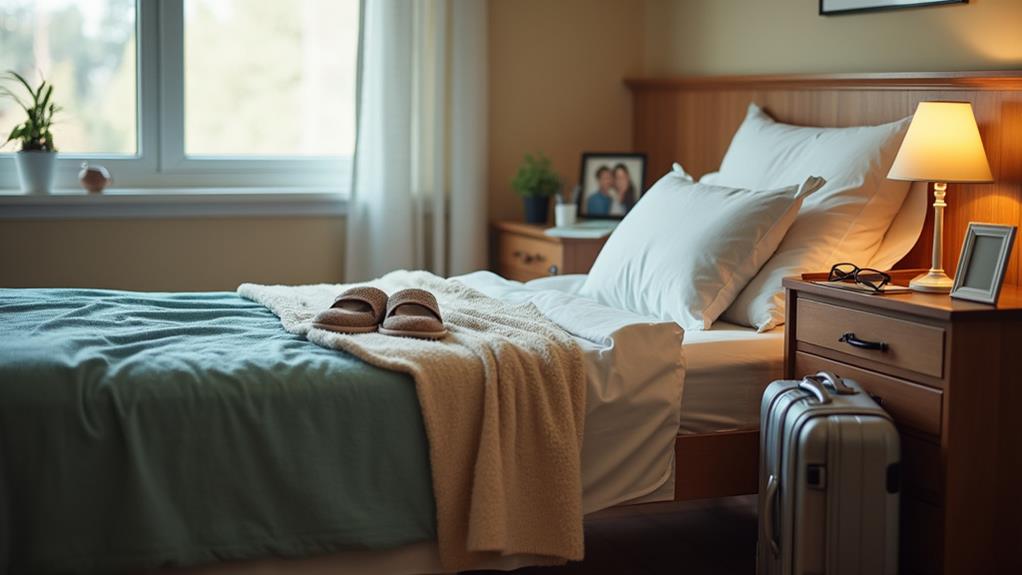
To prepare a senior for a hospital stay, familiarize yourself with the hospital and make certain medical records are accessible. Pack an emergency go bag with crucial documents and personal items. Keep an updated list of medications and communicate any allergies. Complete legal documents and assign a health care proxy. Foster emotional support through regular communication with loved ones and bring comforting items from home. Be aware of unique needs like preventing delirium and maintaining a stable environment. Clearly communicate specific needs to the healthcare staff, include vital personal belongings, and closely monitor them. Uncover more tips to guarantee a smooth hospital experience.
Hospital Selection and Preparation
When preparing for a hospital stay, selecting a facility with which you've had prior care experience can make a significant difference. Familiarity with the hospital and its healthcare providers guarantees better continuity and familiarity with your medical history. This improves the general quality of care you'll receive, especially in emergencies.
Maintaining robust medical records, including past treatments and medication lists, is key. These records help healthcare providers understand your history and manage your care more effectively. Consistent visits to the same hospital also strengthen your relationship with the providers, leading to more personalized and effective care management.
It's important to inquire about the process for transferring medical records. Knowing how to seamlessly transfer important health information can make your hospital stays smoother. This guarantees that healthcare providers have immediate access to your medical history, reducing the chances of errors or delays in treatment.
Additionally, preparing an emergency go bag with necessary documents, medications, and personal items can streamline the admission process. Having everything ready reduces stress and allows you to focus on your health rather than logistics. By following these steps, you can guarantee a more efficient and less stressful hospital experience.
Medication Management
After ensuring a seamless hospital selection and preparation process, managing your medications becomes the next crucial step. Start by keeping an updated list of all prescribed medications, including dosages and frequencies. This list is fundamental for safe and effective treatment during hospital stays.
A thorough medication management strategy involves utilizing medication reconciliation processes. This allows your medical team to cross-check your current medications with those prescribed in the hospital, minimizing the risk of errors. Don't forget to include over-the-counter medications, supplements, and any home remedies in this list. Extensive care requires transparency to prevent adverse interactions.
It's also important to communicate any known allergies or sensitivities to medications to your medical team. Doing so can greatly reduce the risk of allergic reactions during hospitalization. For seniors, managing complex regimens can be challenging, but using digital apps or pharmacy lists to track medications can make accurate reporting easier.
Legal and Health Care Planning

Legal and health care planning is a vital step in guaranteeing that a senior's medical and personal wishes are honored during hospital stays. Initially, complete a Physician Orders for Life-Sustaining Treatment (POLST) form. This legal document outlines the senior's preferences for life-sustaining treatments and guarantees their wishes are respected during hospitalization.
Next, prepare advance directives specifying the senior's medical intervention wishes. Store these directives in an easily accessible location so healthcare providers can quickly reference them in critical situations. Don't forget to designate a health care proxy who can make decisions on behalf of the senior. This can alleviate stress and confusion during medical emergencies, guaranteeing that the patient's preferences are always honored.
Regularly review and update all legal documents, including POLST forms and advance directives, to reflect any changes in the senior's health status or personal wishes. Keeping these documents up to date is fundamental for effective health care planning.
Emotional Support and Engagement
Providing robust emotional support and fostering engagement during a senior's hospital stay is vital for their mental and emotional well-being. Keeping them connected with loved ones through regular communication can greatly reduce feelings of isolation. Schedule video calls or visits to maintain these connections; having something to look forward to can brighten their day and improve their general hospital experience.
Encourage participation in hospital activities when available. These activities not only provide social interaction but also combat loneliness among elderly patients. Check what programs the hospital offers and see which ones might interest your senior loved one.
Familiar items can also provide significant comfort. Bring photographs, favorite blankets, or any personal items that can make their hospital room feel more like home. These items offer emotional support and can help in the recovery process by creating a sense of familiarity and security.
Lastly, establish a support network that includes spiritual leaders or community members. Having a broader support system can offer additional layers of emotional backing, making the hospital stay less intimidating. Prioritizing these strategies guarantees that your senior loved one feels supported and engaged, vital for their general well-being.
Special Considerations for Older Adults
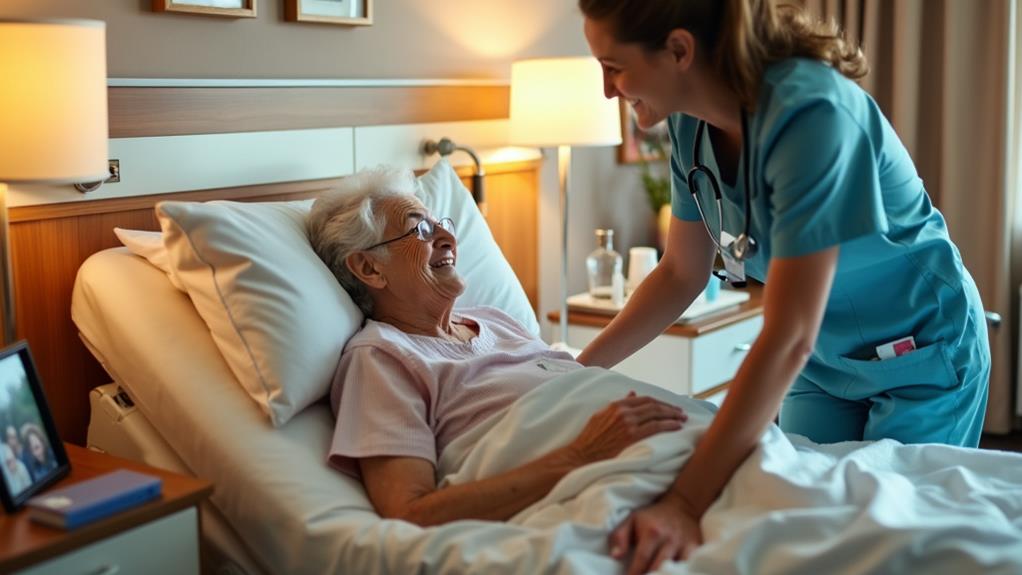
Older adults often face unique health challenges during hospitalization, requiring specialized care and attention. They frequently contend with chronic conditions like diabetes, heart disease, and cognitive impairments. These issues demand a tailored approach to guarantee their well-being.
You should be aware of the high risk of hospital-related delirium in elderly patients, which affects up to 25% of hospitalized seniors. Unfamiliar environments and routine disruptions can exacerbate this condition. It is critical to create a comforting and stable setting to minimize confusion and anxiety.
Compassionate care is fundamental. Regular assessments help manage both the physical and emotional health of older adults. They may experience anxiety and feelings of isolation, so showing empathy and providing consistent support are key. Effective communication is also indispensable. Use simple language and active listening to make certain they understand their treatment plans. Tailoring your communication to their cognitive abilities can improve compliance and comfort.
Engage older patients in their care decisions. This respects their autonomy and improves satisfaction. Studies show that involving them in treatment discussions leads to better hospital experiences. By focusing on their unique needs, you can greatly improve the quality of care provided to older adults during hospital stays.
Home and Hospital Preparation
How can you guarantee a smooth changeover from home to hospital? Start by preparing an emergency go bag for your aging loved one. This bag should include necessary items like identification, health insurance cards, and a current list of medications. Including required medical devices guarantees a seamless admission process.
Packing comfortable clothing and personal comfort items, such as a favorite blanket or pillow, can make hospital stays more pleasant. Entertainment options like books or magazines help reduce anxiety and pass the time more enjoyably.
Maintaining a detailed record of personal belongings is imperative. List items such as glasses, hearing aids, and dentures to prevent loss and guarantee your loved one has what they need during their hospital stay. This helps in avoiding unnecessary stress and inconvenience.
Organize a folder with important paperwork, including legal documents, medical history, and emergency contacts. This preparation streamlines the admission process and aids healthcare staff in making informed care decisions.
Clear communication with healthcare staff about the patient's specific needs and preferences is fundamental. This guarantees your aging loved one's comfort throughout their hospitalization and helps manage their belongings effectively.
Communication and Tracking Belongings
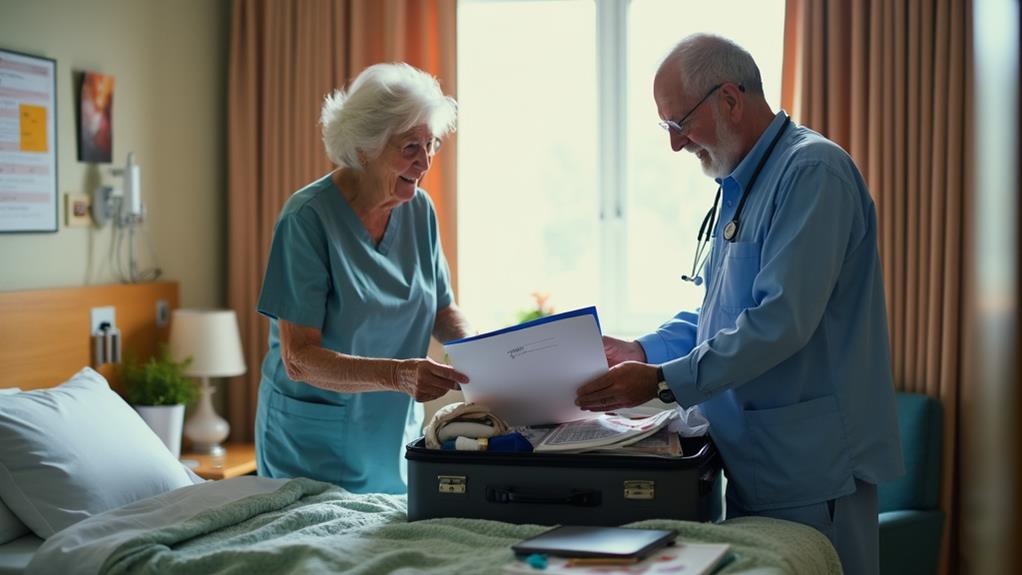
Guaranteeing effective communication and diligent tracking of belongings can greatly improve a senior's hospital experience. Start by designating a specific spot for fundamental items like cellphones to prevent them from getting misplaced. Cellphones are significant for staying in touch, so keeping them in a consistent location helps avoid unnecessary stress.
Utilize whiteboards in patient rooms to improve communication. They're perfect for leaving notes for hospital staff and updating them on the patient's needs and status. This simple tool guarantees everyone is on the same page and that nothing significant gets overlooked.
Maintaining a detailed inventory of personal belongings is imperative. Items like glasses and hearing aids should be listed and regularly checked to confirm they're not lost. This not only keeps fundamental items accessible but also contributes to the patient's comfort and emotional well-being.
Family caregivers should frequently monitor belongings to prevent loss and guarantee that everything is within reach. Clear communication with healthcare staff about specific patient needs and preferences is imperative. By doing so, you help manage belongings more efficiently and improve the general hospital experience for your loved one.
Essential Personal Items
When preparing a senior for a hospital stay, packing important personal items is imperative for their comfort and well-being. Start with fundamental medical items like a detailed list of current medications and any necessary medical devices. This information guarantees that hospital staff can provide accurate and effective care. Don't forget hearing aids and glasses, significant for enabling effective communication and interaction.
Comfortable clothing is also fundamental. Pack easy-to-wear outfits and safe footwear, such as non-slip socks or shoes, to help the senior move around safely within the hospital environment. Familiar items from home, like photographs or a favorite blanket, can offer emotional comfort and reduce anxiety, making the hospital feel a bit more like home.
Entertainment options are another must-have. Books, magazines, or puzzles can help pass the time and keep the mind engaged during longer hospital stays. These items can be especially beneficial when Home Care routines are disrupted, providing a sense of normalcy and distraction.
Caregiver Responsibilities
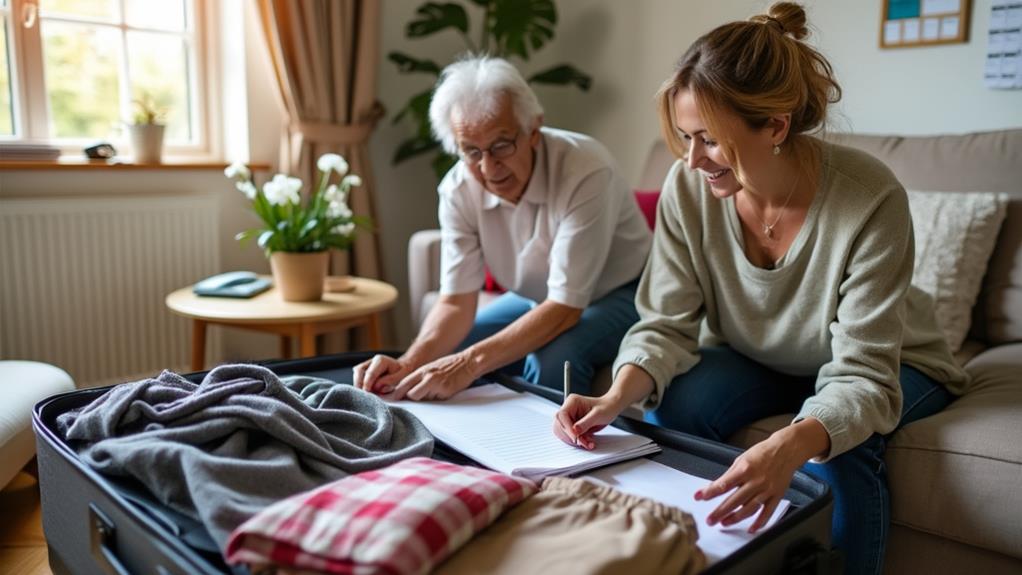
As a caregiver, you play an essential role in advocating for the senior's needs during a hospital stay. You should clearly communicate their specific preferences and requirements to the care team. This guarantees that the treatment provided aligns with their needs. Always keep an updated list of their medications, allergies, and medical history. This information is imperative, especially if the senior is admitted through the emergency room, where quick and accurate treatment decisions are critical.
Regularly check on the senior's personal belongings, such as glasses, hearing aids, and comfort items like blankets or favorite books. These items can greatly reduce feelings of disorientation or anxiety and make their stay more comfortable. Moreover, arranging for emotional support is key. Schedule family visits and engage in meaningful conversations to help alleviate any loneliness they might feel during their hospital stay.
Creating a Comfortable Environment
How can you help create a comfortable environment for a senior during their hospital stay? Start by guaranteeing the room is clean and well-maintained. A tidy space reduces hazards and promotes safety, which is vital for senior care. Next, focus on comfortable bedding. Soft sheets, supportive pillows, and an adjustable mattress can make a world of difference. Comfortable bedding guarantees they rest adequately, aiding their recovery.
Temperature control is another key aspect. Seniors can be sensitive to temperature changes, so make certain the room is neither too hot nor too cold. Adequate lighting is also fundamental. Well-lit rooms improve safety and mobility, especially for those with visual impairments or mobility challenges. Consider adding nightlights to make nighttime trips to the bathroom safer.
Assistive devices like handrails and grab bars are invaluable. These tools help prevent falls and give seniors the confidence to move around independently. Ultimately, minimize noise levels. A peaceful, quiet environment is conducive to rest and recovery, which is particularly significant after medical procedures. By focusing on these elements, you can create a nurturing and comfortable environment for senior care during their hospital stay.