10 Tools to Help Seniors Maintain Independence in Personal Care
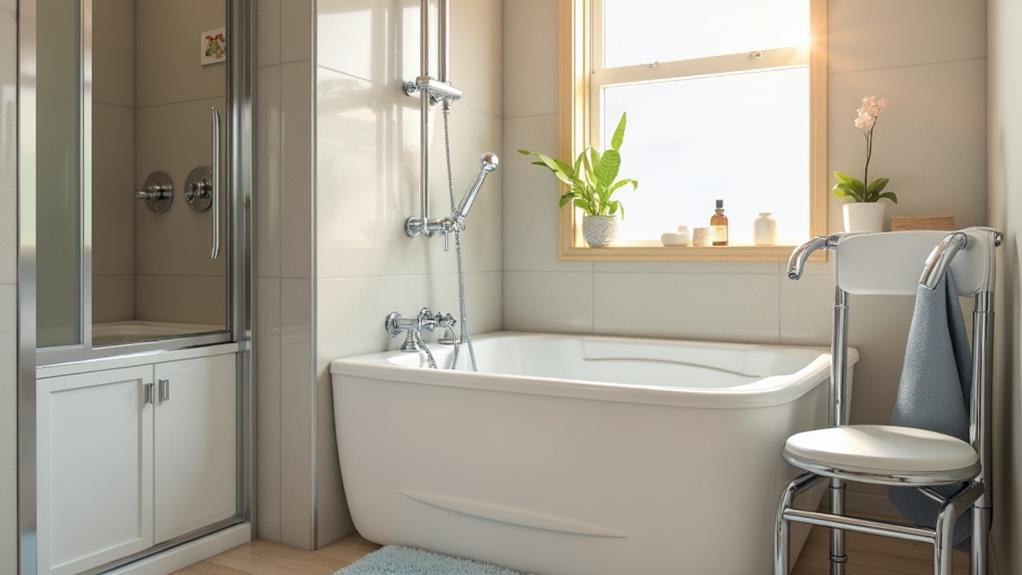
Maintaining independence in personal care is crucial for seniors. Imagine having smart medication dispensers that ensure you never miss a dose or medical alert systems that are ready for any emergency. Visualize your home equipped with grab bars, shower chairs, and raised toilet seats to enhance mobility and safety. Consider the convenience of adaptive utensils and personal care robots that assist with daily tasks. These tools are designed to support your autonomy and improve your quality of life. So, where do you start?
Smart Medication Dispensers

Smart medication dispensers are revolutionizing personal care for seniors. Managing multiple prescriptions can be daunting, especially with the common occurrence of cognitive impairments. These smart devices simplify the process, ensuring accurate adherence to medication schedules and significantly reducing the risk of errors—a critical need given that 50% of filled prescriptions are taken incorrectly.
With approximately 90% of older adults taking at least one prescription medication, smart medication dispensers are indispensable in health care. These devices not only organize and dispense medication but also provide timely reminders through alarms and visual indicators, making it easier for seniors to maintain their health.
Additionally, smart medication dispensers often feature connectivity options that notify caregivers if a dose is missed. This added layer of oversight ensures that seniors receive the necessary support without compromising their independence. By promoting medication adherence and reducing errors, these dispensers play a vital role in enabling seniors to age in place, leading to better health outcomes and greater independence.
Medical Alert Systems
Smart medication dispensers ensure seniors adhere to their medication schedules, while medical alert systems add an essential layer of safety and independence. These systems enable users to quickly connect with emergency services at the push of a button, offering peace of mind to both seniors and their families.
Many medical alert devices feature fall detection technology, which automatically alerts responders if a fall is detected, even if the button is not pressed. This significantly enhances safety for those prone to falls. Some systems also include GPS tracking, allowing users to receive assistance anywhere, particularly beneficial for those who enjoy outdoor activities or live independently.
Additionally, medical alert systems can offer medication reminders, helping users stay on track with their medication regimens. This is vital for managing various health conditions. By offering these comprehensive services, medical alert systems bolster confidence in living independently. They ensure that help is readily available, enhancing safety and health, and reinforcing independence.
Incorporating a medical alert system into daily life not only elevates safety and health standards but also strengthens one's sense of autonomy.
Grab Bars and Handrails
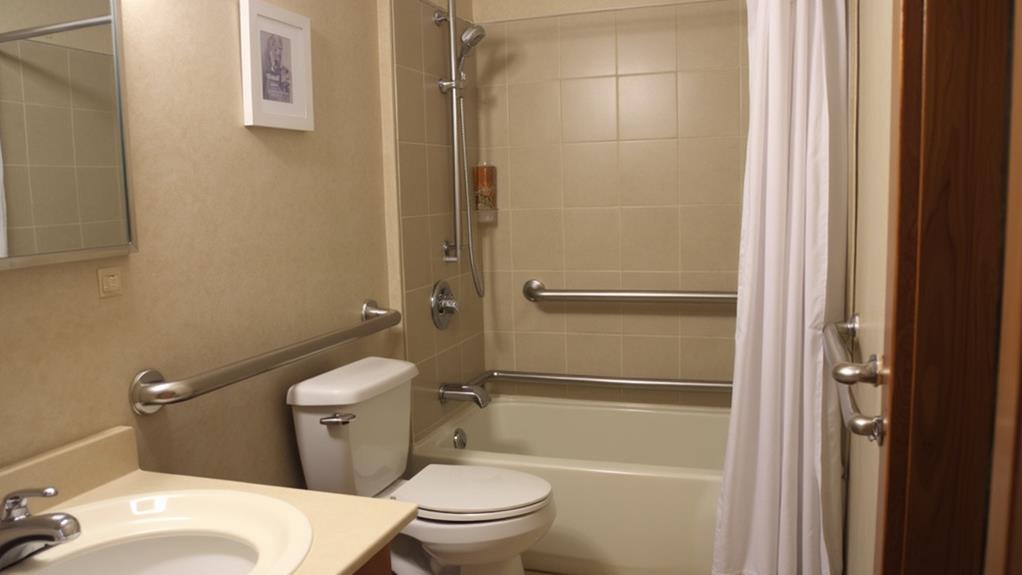
To enhance safety and independence, consider installing grab bars in bathrooms and handrails along stairways. Ensure secure placement and choose durable materials capable of supporting significant weight. Properly installed grab bars and handrails not only prevent falls but also make daily activities more accessible and manageable.
Installation and Placement
Installing grab bars and handrails is essential for enhancing the safety and independence of seniors in their homes. Proper installation significantly reduces the risk of falls, which affect one in four individuals aged 65 and older annually. Strategically placing grab bars in bathrooms and along stairways provides critical support, especially when seniors move in and out of showers or bathtubs.
For optimal safety, install grab bars at a height of 33 to 36 inches from the floor. This height ensures that seniors can easily reach and use them. Handrails along stairways should extend the full length of the staircase and be mounted at a height of 34 to 38 inches. This placement helps maintain balance and offers adequate assistance while navigating stairs.
Ensure grab bars are securely anchored to wall studs rather than just drywall. This ensures they can support the weight of an adult, providing reliable stability. Additionally, consider using textured grab bars to improve grip, especially for those with reduced hand strength or dexterity. Proper installation and placement of these aids can significantly enhance daily safety and independence for seniors.
Material and Durability
Choosing the right materials for grab bars and handrails is crucial for ensuring long-term safety and durability. Opt for materials like stainless steel or reinforced plastic, as these are both durable and resistant to rust, making them ideal for humid environments such as bathrooms.
Grab bars should have a weight capacity of 250 to 500 pounds to adequately support seniors during transfers, significantly reducing the risk of falls. The recommended installation height is between 33 to 36 inches above the floor, providing optimal support for most users.
Handrails should extend at least one foot beyond the top and bottom of stairs to ensure safe gripping throughout the entire ascent and descent, thereby enhancing overall safety. For shower and tub use, select products with slip-resistant surfaces to prevent accidents during personal care routines.
- Material: Stainless steel or reinforced plastic for durability and rust resistance.
- Weight Capacity: 250 to 500 pounds to effectively support seniors.
- Installation Height: 33 to 36 inches above the floor for optimal support.
- Handrail Extension: At least one foot beyond stairs for safe gripping.
- Slip-Resistant Surfaces: Essential for shower and tub safety.
Safety and Accessibility
Creating a safe and accessible environment for seniors necessitates the installation of grab bars and handrails. These devices are essential in reducing the risk of falls, a significant concern given that one in four seniors over the age of 65 falls annually. Grab bars, strategically placed in bathrooms, hallways, and near staircases, not only enhance safety but also improve accessibility, enabling seniors to navigate their homes more confidently and independently.
Handrails on staircases are equally critical. They offer essential support, promoting stability and reducing the risk of injury. Ensuring the availability of handrails helps seniors maintain their independence, allowing them to safely perform Activities of Daily Living (ADLs), such as bathing and dressing, without requiring extensive care services.
Proper installation of grab bars is crucial for their effectiveness. They should be able to support up to 250 pounds and be installed at a height of 33 to 36 inches above the floor. These simple yet effective tools contribute significantly to creating a safer living environment, supporting the independence and well-being of seniors, and ultimately reducing their reliance on care services.
Shower Chairs and Benches
Shower chairs and benches are essential tools for maintaining independence in personal care, particularly for seniors. By providing stability and support during bathing, these aids significantly reduce the risk of falls—a critical concern, given that one in four individuals over the age of 65 experiences a fall each year. Utilizing shower chairs enables seniors to manage their Activities of Daily Living independently, enhancing their overall quality of life.
Many shower chairs feature adjustable height settings to accommodate a diverse range of users comfortably and safely. Additional features such as non-slip seats and rubberized legs improve grip on wet surfaces, further enhancing safety. By reducing physical strain, these chairs make it easier for seniors to maintain their personal care routines without assistance.
Key benefits of using a shower chair include:
- Increased Safety: Reduces the risk of falls in the bathroom.
- Enhanced Comfort: Adjustable height settings for personalized use.
- Improved Stability: Non-slip seats and rubberized legs for better grip.
- Physical Relief: Alleviates strain, making bathing less taxing.
- Promotes Independence: Supports seniors in performing daily activities on their own.
Incorporating shower chairs and benches into daily routines can significantly enhance safety and independence for seniors.
Raised Toilet Seats
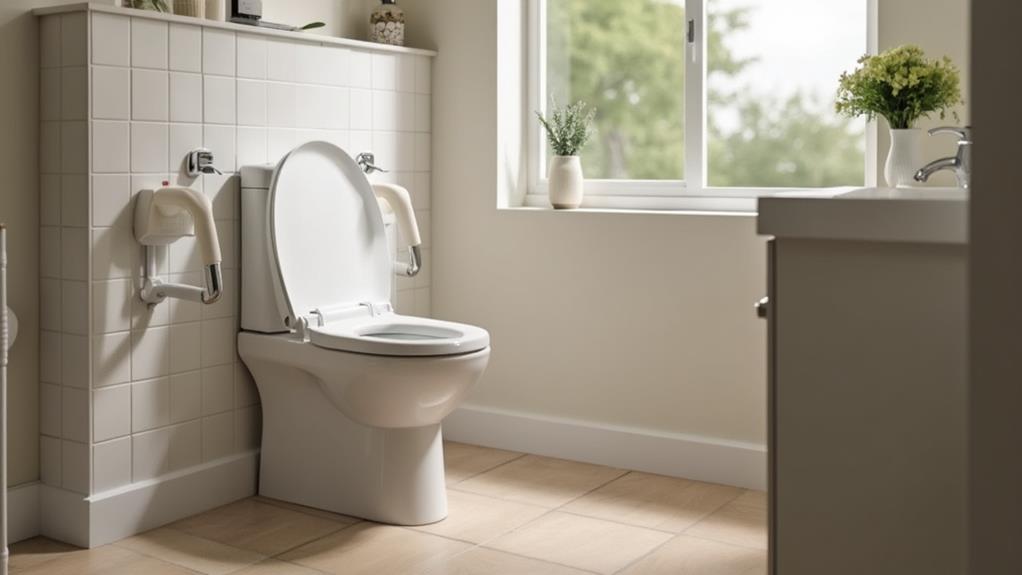
Navigating the bathroom can be challenging for seniors, but raised toilet seats offer a practical solution to improve both comfort and safety. These seats elevate the height of the toilet, making it easier to sit down and stand up, which is particularly beneficial for those with mobility issues or arthritis. By reducing the effort needed to use the toilet, raised toilet seats enhance personal care independence, helping maintain dignity and self-sufficiency in daily activities.
Many raised toilet seats come with additional features such as armrests and non-slip surfaces, providing extra support and stability. These features are crucial for fall prevention, especially since the bathroom is a common area where seniors are prone to falls. Statistics show that one in four seniors fall annually, underscoring the importance of these safety features.
Available in multiple heights and styles, raised toilet seats can be tailored to fit individual needs and bathroom setups. By incorporating a raised toilet seat, you are taking a proactive step to enhance both comfort and safety, ultimately supporting independence in personal care.
Reacher and Grabber Tools
Reacher and grabber tools are invaluable for seniors seeking to maintain their independence. These devices enable you to pick up items from the floor or high shelves without the need to bend or stretch, significantly enhancing safety and reducing the risk of falls. They are particularly beneficial for individuals with limited mobility or arthritis, as they alleviate strain on the joints during daily tasks such as dressing or cleaning. Most of these tools are lightweight and ergonomically designed, making them easy to hold and use even with a weakened grip.
Research indicates that using assistive devices like grabbers can lead to a 50% reduction in disability rates among seniors, creating safer living environments. Many of these tools include features like rotating heads and magnetic tips, which facilitate the handling of small or awkwardly shaped objects.
Key benefits of using reacher and grabber tools include:
- Reduced strain on joints
- Minimized risk of falls
- Enhanced safety and independence
- Ergonomic and lightweight design
- Improved functionality with extra features
Adaptive Utensils

Adaptive utensils with ergonomic handles can significantly ease the eating process for seniors with limited dexterity. Weighted utensils are also advantageous, as they help reduce hand tremors and provide stability, particularly for those with Parkinson's disease. These tools not only foster independence but also enhance the overall mealtime experience.
Ergonomic Handle Designs
Ergonomic handle designs in adaptive utensils revolutionize the dining experience for seniors with limited dexterity. These utensils are specifically crafted to fit comfortably in the hand, significantly reducing strain and improving grip strength. The larger, cushioned handles are easier to hold, allowing seniors to eat independently without needing assistance. This promotes a sense of dignity and self-sufficiency, which are key components in maintaining independence.
Research indicates that using adaptive utensils enhances eating experiences for older adults. By minimizing the physical effort required to hold and manipulate traditional utensils, these specialized tools enable more comfortable and enjoyable meals.
Key benefits of ergonomic handle designs in adaptive utensils include:
- Improved Grip: Larger, cushioned handles reduce strain and make it easier to hold the utensils.
- Enhanced Control: Ergonomic designs provide better control, reducing the chance of spills.
- Independence: These utensils enable independent eating, preserving dignity.
- Flexibility: Available in various styles, they cater to diverse needs, including one-handed use and unique gripping requirements.
- Comfort: The design minimizes physical strain, enhancing the overall mealtime experience.
Adopting these utensils can significantly improve daily life for seniors.
Weighted Utensils Benefits
Adaptive utensils with ergonomic handle designs are essential for seniors striving to maintain their independence during meals. Weighted utensils, specifically designed for individuals with limited hand strength or coordination, significantly enhance their ability to eat independently and comfortably. Typically weighing between 4 to 8 ounces, these utensils provide added stability, thereby reducing the effort required to lift them.
Using weighted utensils can improve meal satisfaction and alleviate frustration, leading to a more enjoyable dining experience. Many feature contoured grips, which help reduce strain on the hands and wrists, making them easier to handle. This ergonomic design supports overall health by allowing seniors to eat more effectively and with less discomfort.
Moreover, weighted utensils can minimize spills and messes, thereby promoting dignity and self-sufficiency during meals. This is particularly significant in personal care, as it allows older adults to maintain independence and reduces the need for constant assistance. Incorporating these adaptive utensils into daily routines can enhance the dining experience and overall quality of life, making mealtime a more pleasant and manageable part of the day.
Personal Care Robots
In recent years, personal care robots have emerged as a transformative solution for seniors seeking to maintain their independence. These innovative devices assist aging adults with daily activities such as bathing, dressing, and mobility, allowing them to remain more self-sufficient within their home environments. By reducing the need for human assistance, personal care robots enable seniors to manage their personal care with greater ease and confidence.
Key features of personal care robots include voice recognition, which allows users to issue commands and receive reminders for medication or scheduled tasks. Advanced models are equipped with safety features like fall detection systems, ensuring immediate help if a fall occurs. Additionally, interactive elements in these robots engage users cognitively and emotionally, helping to combat loneliness and improve mental well-being.
The integration of personal care robots into home care settings not only benefits seniors but also significantly reduces the burden on family caregivers. This allows caregivers to focus on spending quality time with their loved ones rather than being preoccupied with routine personal care tasks.
- Enhanced Independence: Assistance with daily activities.
- Voice Recognition: Simple command issuance and reminders.
- Safety Features: Fall detection systems.
- Cognitive Engagement: Interactive elements to combat loneliness.
- Reduced Caregiver Burden: More quality time with loved ones.
Home Monitoring Systems

Home monitoring systems have become essential for seniors who wish to live independently while ensuring their safety. These systems, which include sensors and alarms, can track movements within the home and provide real-time alerts to caregivers if unusual patterns are detected, such as prolonged inactivity. This immediate feedback ensures that any potential issues are quickly addressed, maintaining both independence and peace of mind.
Medical alert devices integrated into home monitoring systems offer an additional layer of safety. With the press of a button, you can quickly connect with emergency services in case of a fall or health crisis. Advanced systems may also include fall detection capabilities that automatically alert emergency responders, eliminating the need to manually request help.
Remote monitoring technology is another key feature, allowing family members or caregivers to perform virtual check-ins. This enables them to assess your well-being without being physically present, providing more freedom while ensuring care. Additionally, some home monitoring solutions include health monitoring features, tracking vital signs and medication adherence. This information can be shared with healthcare providers, aiding in ongoing health management and further supporting independent living.
Transportation Assistance Apps
Getting around town has never been easier for seniors, thanks to transportation assistance apps like Uber and Lyft. These apps provide on-demand rides, helping older adults maintain independence by accessing essential services without needing to rely on family or friends. Whether it's grocery shopping or medical appointments, these transportation services ensure you can get where you need to go.
Many transportation apps allow you to schedule rides in advance, giving you the flexibility to plan your trips around your own schedule. This feature helps reduce anxiety about transportation logistics, making your day-to-day life smoother.
Some apps even offer specialized services, such as wheelchair-accessible vehicles, ensuring that seniors with mobility challenges can still access safe and reliable transportation options. Driver ratings and safety features like GPS tracking provide further reassurance for both you and your family.
Moreover, some community organizations have developed their own transportation apps tailored specifically for seniors, offering services that cater to the unique needs of older adults in their local areas.
- On-demand rides: Access essential services without relying on others.
- Advance scheduling: Plan trips around your own schedule.
- Specialized services: Wheelchair-accessible vehicles available.
- Safety features: GPS tracking and driver ratings for peace of mind.
- Community-specific apps: Tailored services for local seniors.