How to Prevent Loneliness in Seniors
To prevent loneliness in seniors, engage them in regular social activities and encourage exercise to enhance their physical and mental health. Use technology like video calls and social media to maintain connections. Openly discuss their feelings with healthcare providers to tailor support. Build their support networks by fostering trusted relationships and participating in community activities. Volunteer opportunities and interest-based groups can also bridge social gaps and give a sense of purpose. Embracing these strategies can deeply enrich a senior's life and help mitigate loneliness. There's so much more you can do to keep your loved ones thriving.
Understanding Loneliness
Loneliness, a distressing feeling of being alone or separated, greatly impacts seniors' mental and physical health. You might not realize how deeply loneliness and social isolation can affect older adults. Loneliness refers to the emotional pain of feeling alone, while social isolation is the objective state of having few social contacts. Approximately 43% of seniors experience loneliness regularly, exacerbated by the loss of friends and family members.
For older adults, factors like mobility issues, health problems, and the embarrassment of seeking help can greatly increase social isolation. When seniors face these challenges, their social circles often shrink, making it harder for them to engage with others. This lack of interaction can lead to severe mental and physical consequences.
Research shows that lonely seniors face a 45% increased risk of death and a 59% higher risk of mental and physical decline. Recognizing the signs of loneliness early and intervening promptly is essential. Chronic loneliness can lead to depression, cognitive decline, and other serious health issues. Understanding these dynamics helps you support older adults more effectively, ensuring they stay connected and engaged, thereby mitigating the adverse effects of loneliness and social isolation.
Health Risks of Isolation
Feeling isolated can wreak havoc on a senior's health, leading to serious consequences that go beyond mere discomfort. Loneliness isn't just a fleeting emotion; it's a considerable risk factor for both mental and physical health. Research shows that loneliness links to a 45% increased risk of death for seniors, which underscores its severe implications. Seniors grappling with social isolation face a 59% higher risk of mental and physical decline compared to those who remain socially engaged.
Chronic loneliness doesn't just affect your mood—it raises cortisol levels, contributing to mental health issues like anxiety and depression. The stress hormone cortisol, when heightened for long periods, can wreak havoc on your body and mind. In addition, loneliness has been tied to early biomarkers of Alzheimer's, indicating a potential risk for cognitive decline. This means that the emotional pain of loneliness could translate into serious long-term health issues.
The adverse effects of loneliness are comparable to well-established risk factors like smoking and obesity, making it a considerable public health concern. Thus, addressing loneliness and social isolation can be just as crucial as managing other health risks.
Communicating With Doctors

Effective communication with your doctor is a fundamental step in combating loneliness and its associated health risks. By openly discussing feelings of loneliness, you help your healthcare provider identify any underlying health issues and social needs that might be contributing to your sense of isolation. Sharing major life changes, such as retirement or the loss of loved ones, gives your doctor the context needed to understand your emotional health better.
Honesty about your daily health habits and social interactions is imperative. This transparency allows your healthcare provider to recommend treatments and resources specifically designed to combat loneliness. Regular check-ins can monitor both your physical and mental well-being, ensuring that any feelings of isolation are promptly addressed.
Engaging in dialogue about mental health concerns, including loneliness, is significant for receiving tailored support. Your doctor can connect you with community resources that promote social connections, enhancing your comprehensive well-being. Furthermore, leveraging communication technologies can make it easier to stay in touch with your healthcare team, ensuring you receive timely advice and support.
- Discuss major life changes for emotional context.
- Be honest about daily habits and social interactions.
- Use communication technologies for regular check-ins.
Staying Active and Engaged
Staying active and engaged is vital for preventing loneliness in seniors. Engaging in meaningful activities like volunteering or joining clubs can elevate your mood and health by fostering social interactions and a sense of purpose. Regular physical activity, such as group exercises or walking clubs, not only improves your physical fitness but also offers fantastic opportunities to socialize. This combination of movement and connection greatly contributes to general well-being.
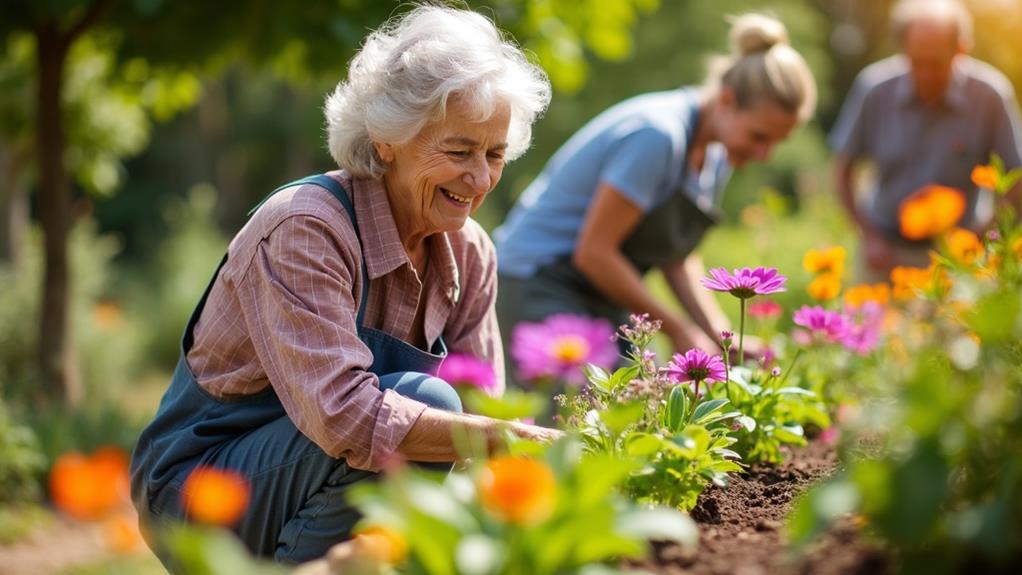
Pursuing new hobbies or classes can be another great way to meet people with similar interests. Regardless of whether it's painting, gardening, or learning a new language, these activities help reduce feelings of being socially isolated or lonely. They encourage you to build a supportive community around shared passions.
Structuring your daily routine to include planned social activities can also create something to look forward to, improving emotional health. Whether you're planning a weekly coffee meet-up, attending a book club, or participating in a fitness class, having these activities on your calendar makes social engagement a regular part of your life. By staying active and engaged, you'll find it much easier to connect with others and combat loneliness effectively.
Using Technology for Connection
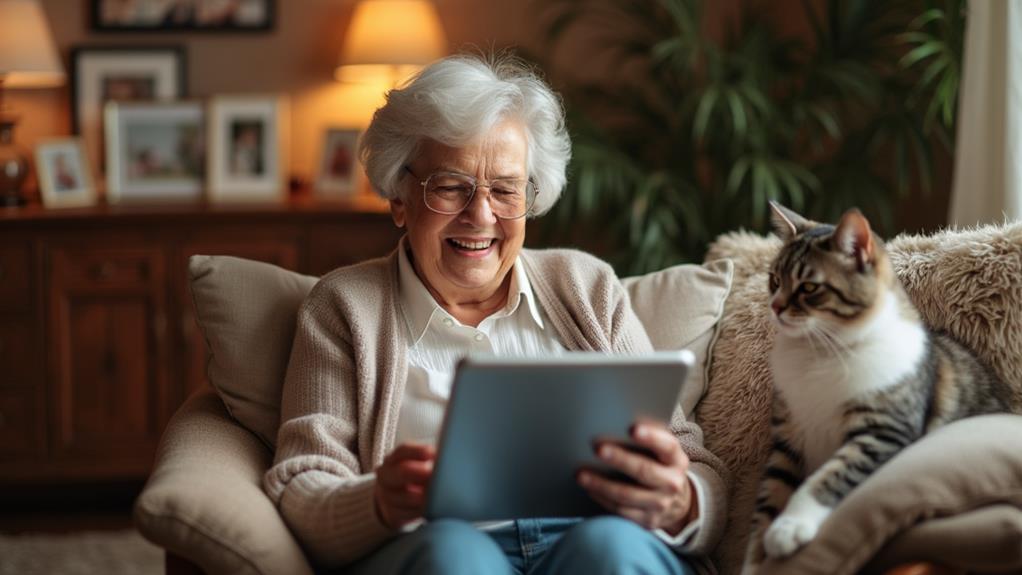
While engaging in physical and social activities is vital, harnessing technology can also play an important role in preventing loneliness among seniors. Using video call platforms like Zoom or FaceTime lets you maintain face-to-face interactions with family and friends, greatly reducing feelings of isolation. These virtual meetings can make you feel connected, even when physical distance separates you from loved ones.
Social media platforms, such as Facebook, enable you to connect with peers and share updates, fostering a sense of community and belonging. By staying active on social media, you can keep up with friends' lives, share your own experiences, and participate in online groups that interest you.
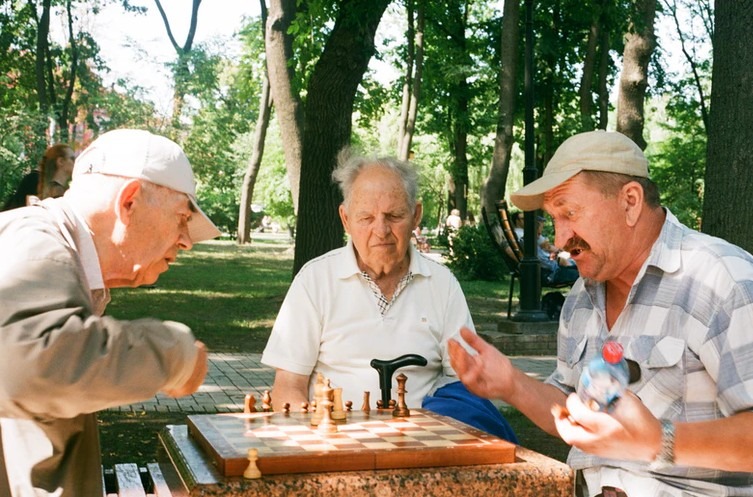
Online games and activities offer interactive entertainment, allowing you to engage with others in a fun and stimulating environment. Regardless of playing a game of chess or joining a virtual book club, these activities provide mental stimulation and social interaction.
- Video calls: Platforms like Zoom and FaceTime for face-to-face interactions.
- Social media: Facebook to connect with peers and share updates.
- Online games: Interactive entertainment to engage with others.
Embracing technology for connection can greatly improve your social life and reduce loneliness.
Building Support Systems
One vital way to combat loneliness in seniors is by building robust support systems. Start by establishing a trusted support network that includes neighbors or friends who can visit regularly or schedule video calls. These interactions can greatly reduce feelings of social isolation and loneliness. Designate an emergency contact to guarantee that immediate assistance is available when needed, providing a sense of security and belonging.
Encouraging seniors to join support groups or memory cafés can also be very beneficial. These groups allow them to connect with peers who share similar experiences, fostering friendship and emotional support. It's imperative to utilize community-based support services, such as local agencies that offer companionship or organize social activities. These services help seniors engage with others and build meaningful relationships in a structured environment.
Regular interaction with family and friends is another key component. Scheduled phone calls or visits from grandchildren not only reinforce family bonds but also contribute to a reliable support system. By integrating these diverse elements, you can create a thorough network that effectively combats social isolation and loneliness in seniors, guaranteeing they feel connected and supported in their daily lives.
Community Engagement
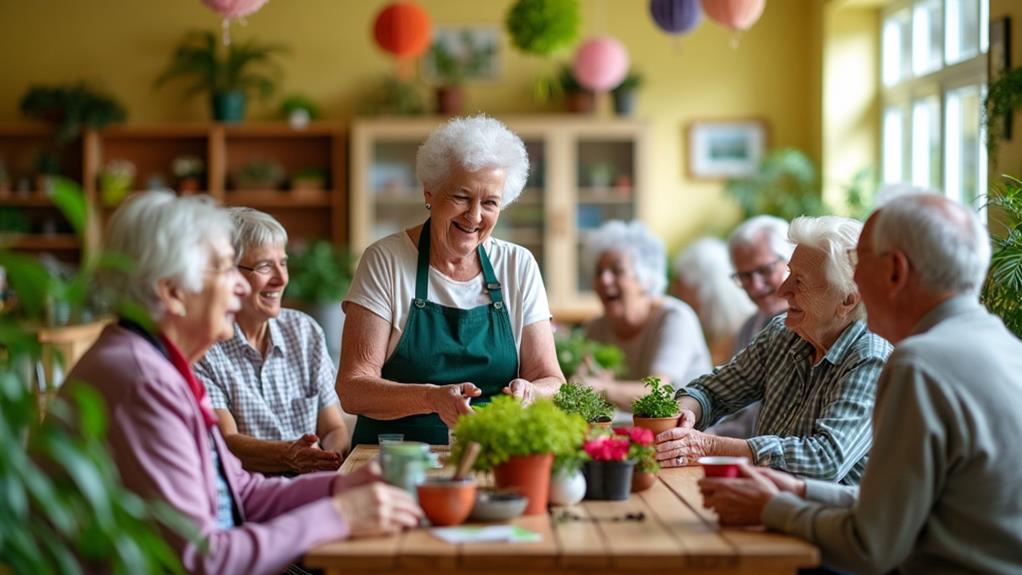
Beyond building robust support systems, engaging with the broader community plays a considerable role in preventing loneliness among seniors. By participating in community activities, older adults can improve their social networks and foster a sense of belonging. Community centers often host events tailored for seniors, offering opportunities for meaningful social interaction and engagement. These events can greatly reduce feelings of loneliness and isolation.
Local volunteer opportunities are another excellent way to combat loneliness. When seniors volunteer, they not only expand their social circles but also gain a sense of purpose and fulfillment. Volunteering allows them to contribute to their community, which can be incredibly rewarding and uplifting.
Joining clubs and organizations focused on shared interests, such as book clubs or gardening groups, can also lead to new friendships and meaningful connections. Engaging in these activities stimulates cognitive function and creativity, promoting general well-being.
Consider these community engagement options:
- Community Centers: Attend events tailored for seniors to interact and engage.
- Volunteering: Participate in local volunteer opportunities to expand your social network.
- Interest-Based Clubs: Join clubs that focus on your interests to build new friendships.
Resources and Organizations
A range of resources and organizations are available to help seniors combat loneliness and social isolation. The NIA ADEAR Center offers a hotline at 800-438-4380, providing valuable information on Alzheimer's and related dementias. This can be an essential resource for families dealing with cognitive decline and concerned about their loved ones' isolation.
AmeriCorps Seniors, reachable at 800-942-2677, provides volunteer opportunities that allow seniors to stay socially engaged while contributing to their communities. By volunteering, seniors can build meaningful connections and stay active.
The Eldercare Locator, available at 800-677-1116, connects older adults to local resources. This service guarantees seniors have access to community services that can greatly reduce social isolation and improve their comprehensive well-being.
The SilverSneakers program, which can be accessed at 866-584-7389, promotes fitness and social interaction through a variety of classes and activities. By participating, seniors can stay physically active and meet new people, enhancing their social networks.
Meals on Wheels America, contactable at 888-998-6325, delivers meals to seniors in need. This service offers not only nutrition but also regular social interaction with volunteers, providing both physical sustenance and emotional support.