The Benefits of Fidget Toys for Individuals With OCD: Managing Compulsions
You might not realize it, but fidget toys can significantly aid in managing OCD compulsions. These simple tools divert attention from obsessive thoughts, offering temporary relief and grounding. By engaging with a fidget toy, you activate brain areas responsible for stress relief, which can enhance focus and emotional regulation. Integrating these devices into your daily routine provides self-soothing benefits and complements professional treatment strategies. Curious about how this works and what experts say?
Understanding Fidgeting
Fidgeting, often manifested as rapid movements like tapping fingers or bouncing legs, can be a conscious response to anxiety and OCD. Known as psychomotor agitation, this behavior involves physical actions that help manage the excess energy associated with these conditions. For individuals with OCD, fidgeting can serve as a self-soothing mechanism, providing temporary relief from the stress and anxiety that drive compulsive behaviors.
Engaging in fidgeting can momentarily distract you from obsessive thoughts, acting as a grounding technique by channeling energy into a physical outlet. This can be particularly helpful during periods of heightened stress or when trying to maintain focus on tasks. Fidget toys, for example, can be effective tools for managing compulsions, allowing for more controlled energy direction.
Research indicates that fidgeting activates brain areas linked to attention and stress relief, helping to cope with anxiety symptoms and manage OCD compulsions more effectively. This simple yet powerful practice offers immediate relief and helps regain some control over your mental state.
Benefits of Fidget Toys
Fidget toys provide a practical solution for individuals with OCD by offering immediate sensory input that diverts attention from compulsive thoughts. Engaging with these toys gives your hands and mind an alternative focus, serving as an effective self-soothing mechanism. This sensory input can alleviate the anxiety associated with obsessive thoughts, offering a temporary escape from the cycle of compulsions.
The calming effects of fidget toys are well-documented. By enabling repetitive, mindless movement, these toys help ground you, reducing the urge to engage in compulsive rituals. This repetitive movement acts as a distraction, making it easier to manage compulsions during stressful situations.
In therapeutic settings, incorporating fidget toys has shown promise in improving engagement and emotional regulation, aiding in the management of OCD symptoms. When used in a structured environment, these tools can support emotional health. Overall, fidget toys offer a multifaceted approach to managing OCD by leveraging sensory input to promote self-soothing and emotional balance.
Anxiety Management
Using fidget toys can provide calming sensory stimulation to help manage anxiety. These tools enhance focus, enabling better concentration during stressful moments. Additionally, fidgeting can serve as a grounding technique, stabilizing emotions and offering relief from anxiety, including symptoms associated with OCD.
Calming Sensory Stimulation
Using fidget toys for calming sensory stimulation can help manage anxiety by redirecting focus away from intrusive thoughts and compulsions. Engaging in repetitive fidgeting activates brain areas linked to attention and stress relief, promoting a sense of calm and reducing the urge to perform compulsive behaviors associated with OCD.
The tactile sensations provided by fidget toys act as grounding techniques, alleviating restlessness and agitation. These toys offer a temporary distraction, allowing you to pause compulsions and refocus on the present moment, making it easier to manage anxiety.
During therapy sessions, fidget toys can enhance therapeutic engagement by helping you relax and facilitating discussions about OCD symptoms. This dual benefit of stress relief and improved focus contributes significantly to better mental health. Therefore, incorporating fidget toys into your daily routine is a simple yet effective strategy for managing OCD and anxiety.
Enhancing Focus Mechanisms
Using fidget toys can significantly enhance focus mechanisms and aid in anxiety management for individuals with OCD. Engaging in fidgeting offers a temporary distraction from obsessive thoughts and compulsive behaviors, allowing for more effective symptom management. By channeling energy into productive tasks, fidget toys help improve concentration and cognitive performance.
Fidgeting serves as a powerful tool for self-soothing and emotional regulation. In stressful situations that might trigger compulsive behaviors, using a fidget toy can induce a calming effect, thereby reducing anxiety levels. This reduction in anxiety facilitates better focus and task execution.
Research indicates that fidgeting can enhance cognitive performance, especially in individuals with ADHD and anxiety. These benefits also apply to those with OCD, helping to improve concentration. Incorporating fidget toys into your routine can balance anxiety management and focus enhancement, supporting both daily activities and overall mental well-being.
Grounding Techniques Utilization
Grounding techniques are effective strategies for managing anxiety, especially for individuals with OCD. These methods, such as the 5-4-3-2-1 technique, engage your senses to divert attention from intrusive thoughts and compulsions. This technique involves identifying five things you can see, four you can touch, three you can hear, two you can smell, and one you can taste, which promotes sensory awareness and reduces anxiety.
These techniques activate the parasympathetic nervous system, leading to a calming effect that counteracts physiological symptoms of anxiety, such as a rapid heartbeat and shallow breathing. Research indicates that grounding exercises improve emotional regulation and reduce the urge to engage in compulsive behaviors.
Incorporating fidget toys with grounding techniques can enhance their effectiveness. Fidget toys offer a physical outlet for excess energy while keeping you grounded in the present moment, thereby improving mental well-being and lowering stress levels.
Benefits of Grounding Techniques:
- Sensory Awareness: Engages multiple senses to shift focus away from anxiety.
- Emotional Regulation: Helps manage emotional responses to triggers.
- Physical Outlet: Provides an effective way to channel energy.
Research Insights

Recent studies reveal that fidgeting can temporarily redirect attention from obsessions and compulsions, aiding in the management of OCD symptoms. Fidget toys, such as stress balls, have shown therapeutic potential for individuals with obsessive-compulsive disorder. These tools act as a self-soothing mechanism, helping to manage symptoms, particularly anxiety, by providing a tactile distraction from intrusive thoughts.
Research from the Journal of At-Risk Issues underscores the effectiveness of stress balls in diverting attention, making them valuable for those grappling with compulsive behaviors. Additionally, ongoing studies at UC Davis are exploring how fidgeting impacts cognitive performance. Preliminary results suggest that fidgeting can improve cognitive control, offering potential benefits for individuals with OCD.
It's important to note that while fidget toys can help manage symptoms, they are not a standalone treatment. Licensed professionals should be consulted to develop comprehensive treatment plans tailored to individual needs. Fidgeting might be beneficial for some but overly distracting for others, so professional guidance is essential. Integrating fidget tools with other therapeutic approaches can better manage OCD symptoms and enhance overall well-being.
Expert Recommendations
Experts recommend integrating fidget toys into daily routines to help manage OCD symptoms effectively. These toys provide a tangible task that can serve as a self-soothing mechanism, reducing anxiety and distracting from obsessive thoughts and compulsive behaviors. However, fidget toys should be part of a broader strategy that includes professional treatment.
Here are some expert recommendations to consider:
- Individualized experimentation: Try different fidget toys to find what works best for you. Each person's needs are unique, and what helps one individual may not be as effective for another.
- Appropriate use: Ensure that fidget toys are used to support symptom management without becoming a new compulsion. Balance is key.
- Healthy coping strategies: Use fidget toys as one of many tools in your toolkit for managing OCD. They should complement other coping mechanisms and therapeutic practices.
Practical Tips
To effectively use fidget toys in managing OCD, incorporate them into parts of your daily routine where you experience the most anxiety or compulsive urges. For instance, if mornings bring heightened anxiety, consider using a stress ball while preparing for the day.
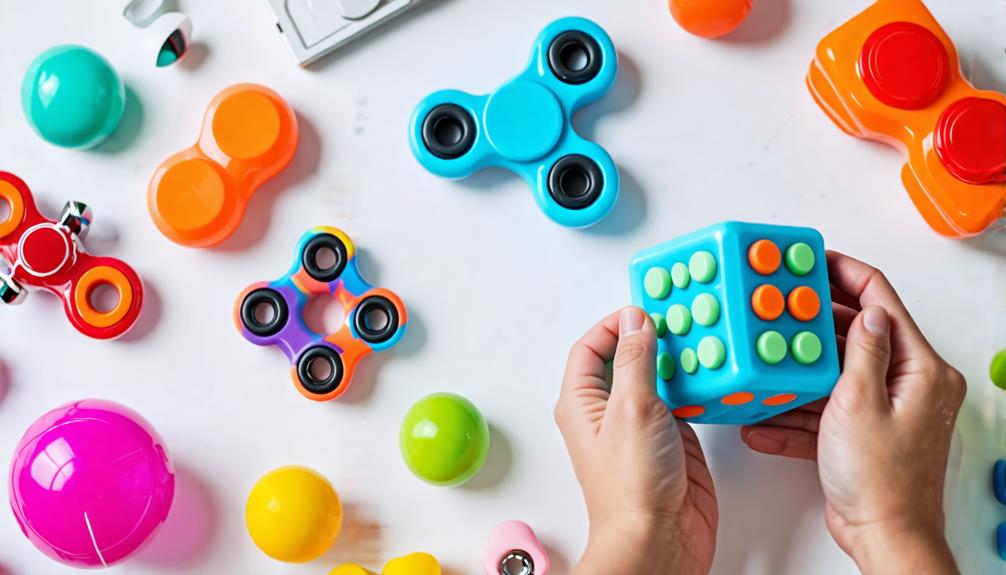
Experimenting with various fidget toys can help identify which ones best aid in emotional regulation and stress relief. Popular options include fidget cubes, spinners, and textured rings. The objective is to find a toy that provides a calming effect and serves as a distraction during moments of compulsive behaviors.
Here's a quick guide to help you integrate fidget toys effectively:
| Situation | Recommended Fidget Toy | Benefits |
|---|---|---|
| Morning anxiety | Stress ball | Stress relief, calming effect |
| Work or school stress | Fidget cube | Distraction, emotional regulation |
| Evening relaxation | Textured ring | Calming effect, reduces compulsive urges |
| Social settings | Discreet spinner | Distraction, stress relief |
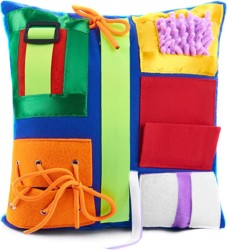
| Waiting rooms | Fidget pad | Emotional regulation, distraction |