The Benefits of Pet Therapy for Seniors
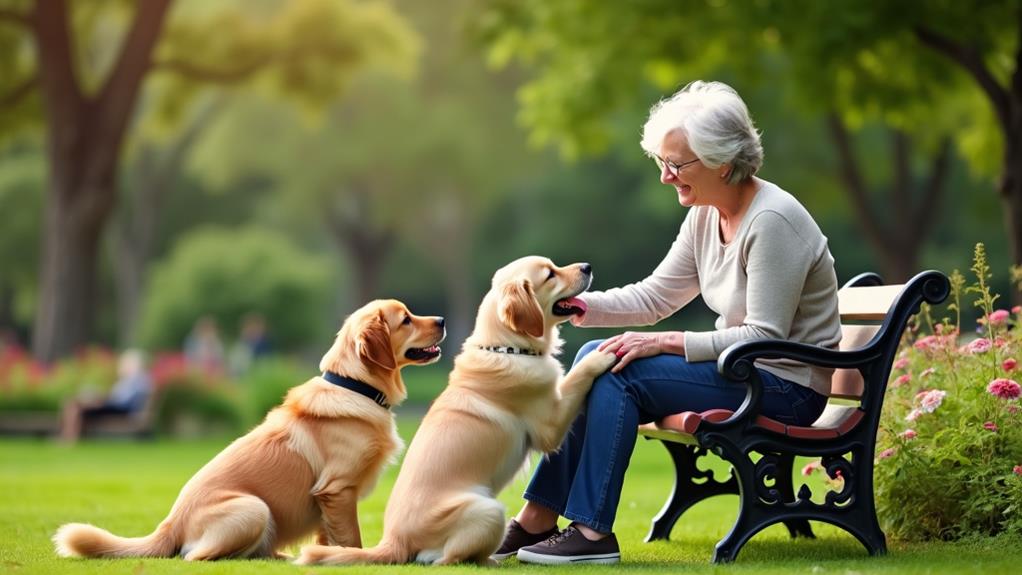
Pet therapy offers numerous benefits for seniors, greatly enhancing their emotional well-being and physical health. When you interact with pets, you'll notice decreased anxiety and improved mood, as animal interactions release feel-good endorphins. Engaging with therapy animals also boosts cognitive function, helping with memory recall and mental agility. Physically, activities like petting or walking therapy animals can reduce blood pressure, improve mobility, and ease pain. Plus, spending time with pets fosters social connections, reducing feelings of isolation. If you're curious about how pet therapy can transform seniors' overall quality of life, there's plenty more to discover.
Mental Stimulation
Engaging in play with pets greatly enhances cognitive function in seniors, stimulating brain activity and promoting mental agility. By incorporating consistent engagement with animals, you can help maintain and even improve cognitive skills. Interaction with animals encourages you to communicate more clearly, elevating verbalization skills. This interaction isn't limited to just speaking; non-verbal communication with pets also serves as beneficial practice, especially if you struggle with speech.
Playing games or training pets can greatly stimulate memory recall. For example, teaching a dog new tricks or playing fetch requires you to remember commands and sequences, which exercises your brain. These activities are more than just fun—they're crucial exercises for your mind. They help slow cognitive deterioration, making pet therapy an essential tool for maintaining mental acuity.
Consistent engagement with pets provides ongoing mental stimulation. Your brain stays active as you interact with animals regularly. This sustained interaction helps keep your mind sharp, making everyday tasks easier and more manageable. Pet therapy, through these interactive and engaging activities, offers a practical and enjoyable way to support cognitive health in seniors. So, by playing with pets, you're not just having fun—you're actively working to preserve your mental faculties.
Emotional Benefits
While mental stimulation plays an important role in maintaining cognitive health, the emotional benefits of pet therapy for seniors are likewise profound. You'll find that interaction with animals can greatly decrease anxiety levels. Well-trained dogs, for instance, offer a calming presence that helps alleviate feelings of distress, making you feel more at ease.
Engaging with pets releases endorphins, which improve your mood and emotional well-being. This positive emotional impact is particularly beneficial in nursing homes, where regular engagement with animals fosters emotional support. You'll notice a reduction in loneliness and an improvement in general life satisfaction. In fact, studies indicate that 70% of seniors report mood improvement following pet therapy sessions, demonstrating the considerable benefits for your mental health.
Dogs are incredibly intuitive and can detect subtle signs of anxiety in humans. This ability helps you feel understood and supported during therapy sessions, further alleviating any anxious feelings. When you interact with animals, you're not just gaining a companion; you're also experiencing an increase in your emotional health. This interaction can make a world of difference, providing you with the emotional support you need to lead a happier, healthier life.
Physical Health Improvements
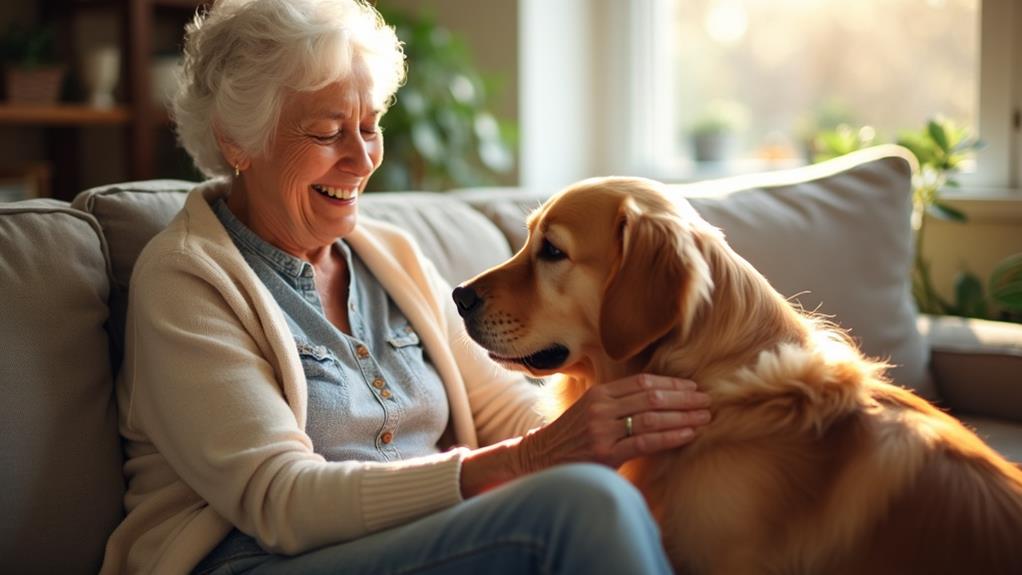
Pet therapy offers remarkable physical health improvements for seniors. When you interact with pets, you're not just enjoying their company; you're also reaping significant physical health benefits. For starters, pet therapy for seniors can lead to lower blood pressure, providing vital cardiovascular benefits. This reduces the risk of heart-related issues, contributing to comprehensive well-being.
Additionally, activities like walking or playing with pets can improve your motor skills and promote better mobility. These activities keep you moving, which is fundamental for maintaining physical fitness and preventing muscle atrophy. Here's how pet therapy can elevate your physical health:
- Cardiovascular Benefits: Regular interaction with pets helps lower blood pressure, reducing the risk of heart disease.
- Pain Reduction: Engaging with animals can alleviate physical pain, making you feel more comfortable.
- Improved Mobility: Walking or playing with pets enhances your mobility and strengthens larger muscle groups.
- Better Motor Skills: Consistent activities with pets improve coordination and fine motor skills.
Memory and Cognitive Support
Animal-assisted therapy offers considerable memory and cognitive support for seniors, making it an invaluable tool for mental well-being. When you engage with therapy animals, you're not only enjoying their company but also stimulating your memory and cognitive skills. Simple activities like recalling pet names or breeds during sessions can greatly improve your memory function. These interactions keep your mind active and engaged, offering a fun way to increase mental acuity.
Commands such as "sit" or "stay" given to therapy animals can help you maintain or regain cognitive skills. These seemingly basic interactions require you to think and react, providing mental exercises that slow cognitive decline. This kind of ongoing engagement with pets has been linked to slower rates of cognitive deterioration, giving you a practical way to maintain your cognitive health.
Moreover, animal-assisted therapy is tailored to your individual needs. Regardless of whether you need personalized support for memory improvement or specific cognitive challenges, these therapeutic activities can be customized to address your unique requirements. By involving you in these specialized tasks, therapy animals provide a targeted approach to improving your cognitive well-being, ensuring you get the most out of each session.
Social Connection
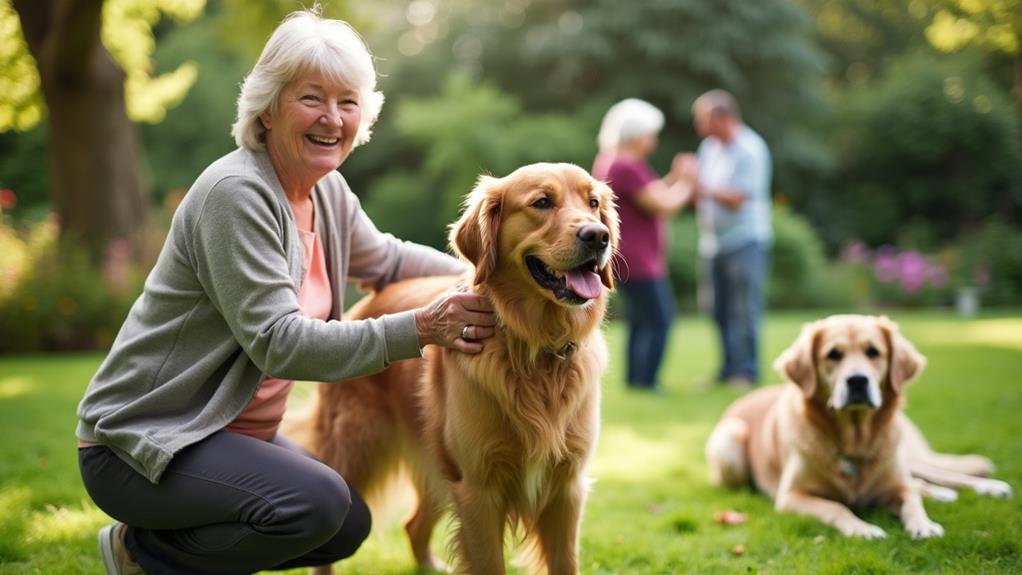
Interacting with therapy animals offers more than just companionship; it greatly reduces feelings of isolation among seniors. These interactions foster vital social connections that improve emotional well-being. Studies show that 80% of participants in pet therapy programs report enhanced social engagement. This isn't surprising, given that emotional connections with pets help meet social needs.
Consider the following benefits of pet therapy for social connection:
- Icebreakers: Interactions with animals often act as icebreakers, facilitating conversations and relationships among residents.
- Group Activities: Group pet therapy sessions create opportunities for shared experiences and connections with others in similar situations.
- Pet-Friendly Communities: Living in pet-friendly senior communities encourages relationships with both animals and fellow residents.
- Sense of Belonging: Regular interactions with pets mitigate loneliness and promote a sense of belonging, vital for mental and emotional health.
Wellness programs that include pet therapy greatly improve the quality of life for seniors. By providing these social connections, they guarantee that seniors don't just survive but thrive. The emotional bonds formed through interactions with animals can indeed transform the experience of aging, creating a lively community where everyone feels connected and valued.
Overview of Pet Therapy
Engaging with therapy animals offers a unique and powerful way to improve seniors' emotional and physical well-being. Pet therapy, also known as Animal-Assisted Therapy (AAT), involves guided interactions between trained animals and individuals. This form of therapy focuses on emotional benefits and physical improvements, making it particularly beneficial for seniors. You'll find that pet therapy is distinct from service animals, as its primary goal isn't to assist with daily tasks but to enrich overall well-being.
Common animals used in pet therapy include dogs, cats, and even small mammals or birds. These animals provide much-needed comfort and companionship, especially in settings like nursing homes and hospitals. The structured interactions of AAT aim for specific therapeutic outcomes, while less formal Animal-Assisted Activities (AAA) focus on general companionship and mood enrichment.
Studies have shown that 70% of seniors report improved moods after participating in pet therapy. This statistic highlights the effectiveness of these interactions in elevating emotional well-being. By engaging with therapy animals, seniors can enjoy improved emotional health, reduced feelings of loneliness, and an overall better quality of life. Pet therapy offers a simple yet impactful way to bring joy and comfort to seniors.
Types of Pet Therapy
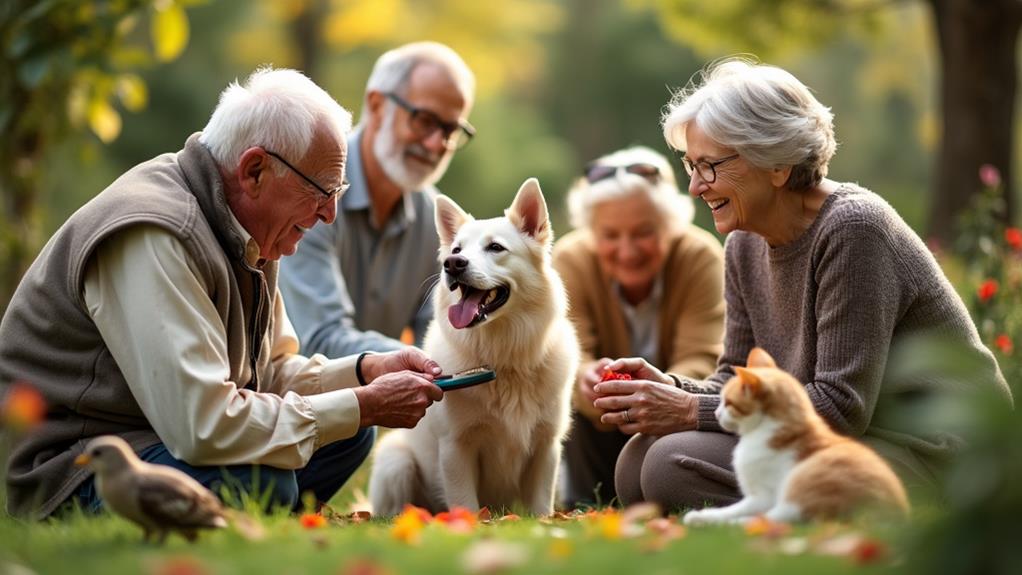
Pet therapy, often incredibly effective, comes in several forms tailored to meet the varied needs of seniors. You might choose from different types depending on your specific needs and preferences. Here are some key options:
- Ownership Therapy: This involves seniors actively caring for pets, which promotes responsibility and companionship. You'd engage in activities like walks and grooming, improving emotional bonds and motivation.
- Animal-Assisted Therapy (AAT): A structured approach, AAT pairs patients with sensitive animals. Therapists set treatment goals to elevate nonverbal communication and emotional connections, offering significant psychological benefits.
- Animal-Assisted Activities (AAA): These less formal interactions with animals encourage socialization and engagement. Imagine spending time together or going for walks without strict therapeutic objectives, simply enjoying each other's company.
- Visitation Therapy: Trained therapy animals visit patients in homes or healthcare facilities, providing companionship and emotional support. This is tailored to your individual preferences and needs, ensuring a comfortable and enriching experience.
Additionally, Group pet therapy sessions offer a communal setting where you can interact with both animals and fellow participants. These sessions foster socialization and improve general emotional well-being, contributing to a sense of community and belonging.
Study Design and Methodology
Understanding the different types of pet therapy leads us to investigate how these interventions are studied and validated. In examining the benefits of Animal-Assisted Intervention (AAI) on seniors' well-being, a robust study design and methodology are essential. This particular study employed a longitudinal design with pre- and post-intervention measurements to assess its impact.
Participants, all over the age of 60 and experiencing mild cognitive impairment, were randomly assigned to either the experimental group receiving AAI or a control group with no intervention. The setting for this research was a nursing home in Reggio Emilia, Italy, where seniors interested in interacting with dogs took part.
Well-being was evaluated across five dimensions: anxiety, depression, apathy, loneliness, and quality of life. To measure these dimensions, questionnaires were administered at both baseline and post-intervention stages. This approach guaranteed a thorough understanding of the intervention's effects over time.
Statistical analysis played a significant role in validating the findings. The results revealed notable improvements in quality of life, loneliness, and anxiety among the experimental group compared to the control group. By employing such a detailed study design and methodology, the research highlights the potential of AAI to improve well-being in seniors.
Results and Implications
The results of this study underscore the transformative impact of Animal-Assisted Intervention (AAI) on the well-being of seniors. Pet therapy can help improve different aspects of mental health and emotional well-being, making it a significant benefit to senior living communities.
Key findings from the study include:
- Anxiety Reduction: Seniors experienced a 5.50-point decrease in anxiety levels (p=0.001), showing how AAI can alleviate stress and promote relaxation.
- Quality of Life: There was a notable improvement in general well-being, with a mean difference of -8.86 (p=0.001), highlighting the extensive benefits of pet therapy.
- Decreased Loneliness: Loneliness scores dropped by 5.57 points (p=0.001), indicating that pet therapy can help reduce feelings of isolation among elderly participants.
- Reduced Apathy: Apathy levels shifted from moderate to mild, with a significant reduction of 5.43 points (p=0.001), suggesting increased engagement and interest in daily activities.
These results advocate for incorporating AAI into traditional therapeutic practices for seniors. By addressing issues like anxiety, loneliness, and apathy, pet therapy can help improve the emotional and social well-being of older adults, ultimately enriching their quality of life in senior living environments.