The Importance of Socialization for Seniors

Socialization is essential for seniors' health and well-being. Regular interactions reduce risks of loneliness, depression, and cognitive decline while promoting healthier behaviors and mental stability. Engaging in community programs or staying connected with family and friends improves the quality of life and even lowers risks of serious conditions like hypertension and coronary artery disease. Technology also plays an important role by fostering connections through video calls and social media. By staying socially active, seniors can maintain better physical and mental health, leading to a happier, more fulfilling life. If you keep going, you'll find more ways to support their social engagements.
Health Benefits of Socialization
How often do you think about the impact of social connections on your health? It's easy to overlook, but socialization offers numerous health benefits, especially for older individuals. Social isolation has severe consequences, comparable to smoking or obesity regarding mortality risk. For elderly adults, regular social interactions can drastically reduce feelings of loneliness, which 43% report experiencing regularly.
Engaging socially doesn't just raise your spirits; it also enhances your cognitive function. Frequent interactions are linked to better cognitive performance, helping to keep your mind sharp as you grow older. Improved mental health is another crucial benefit. Connecting with others can uplift your mood and provide emotional support, which is vital for comprehensive well-being.
Moreover, participation in social activities encourages healthier behaviors. When you're involved in a community, you're more likely to engage in activities that reduce the risk of chronic conditions like hypertension and coronary artery disease. Support groups and community involvement offer shared experiences and emotional support, fostering relationships that lead to healthier coping strategies.
Mental Well-being and Social Interaction
Building on the health benefits of socialization, it's important to highlight its profound impact on mental well-being. For older adults, social interactions are fundamental in combating feelings of isolation, which 43% of seniors experience regularly. This isolation can lead to severe mental health issues like depression and cognitive decline. Engaging in regular social activities improves mood and cognitive functions, helping older adults to maintain better memory recall and comprehensive mental sharpness.
Participating in community activities and maintaining relationships play a significant role in reducing anxiety and dementia risk. The health risks tied to senior isolation—such as hypertension, coronary artery disease, and depression—underscore the importance of socializing for complete well-being. Studies have shown that staying socially active can be as critical for your mortality risk as avoiding smoking and obesity.
Moreover, frequent social interactions can lead to improved cognitive performance, making it easier for older adults to navigate daily challenges and enjoy a higher quality of life. By prioritizing social engagement, you can greatly enhance your mental well-being and safeguard against the detrimental effects of isolation. Remember, your mental health is just as important as your physical health.
Combating Loneliness in Seniors

Addressing the pervasive issue of loneliness in seniors is fundamental for their general well-being. Approximately 43% of seniors report experiencing regular loneliness, making it imperative to proactively engage them. Social isolation isn't just a feeling; it's linked to serious health issues like hypertension, coronary artery disease, and an increased prevalence of depression among older adults.
Here are three ways to combat loneliness in seniors:
- Encourage Participation in Social Activities: Regular social events and activities can greatly improve mood and cognitive functions. This not only helps in reducing feelings of isolation but also promotes better overall health.
- Foster Community Settings: Support groups and community involvement provide emotional support and shared experiences. Being part of a community setting helps seniors form meaningful connections, making them feel valued and less isolated.
- Promote Meaningful Connections: Building strong, meaningful relationships is crucial. Encourage seniors to maintain connections with family and friends, which helps reduce the risk of cognitive decline and improves their quality of life.
Physical Health and Social Engagement
Combating loneliness in seniors not only improves their emotional well-being but also sets the stage for better physical health. When you engage socially, you're far more likely to adopt healthier lifestyle choices, which are essential for maintaining your mobility and general well-being. Regular social interactions can encourage you to be more physically active, helping you avoid health issues like obesity and diabetes that stem from sedentary lifestyles.
Social engagement has been linked to reduced risks of hypertension and coronary artery disease, both of which can be aggravated by isolation. By participating in community activities, you can greatly improve your cardiovascular health, lowering your blood pressure and cholesterol levels. This not only elevates your heart health but also improves your vitality and energy levels.
Studies have shown that older adults who actively participate in social groups experience less physical decline. Engaging with others provides the motivation to stay active and maintain a healthier lifestyle. By mitigating the effects of a sedentary lifestyle through social interaction, you can enjoy a more robust physical health and a higher quality of life as you grow older.
Ways to Foster Social Connections
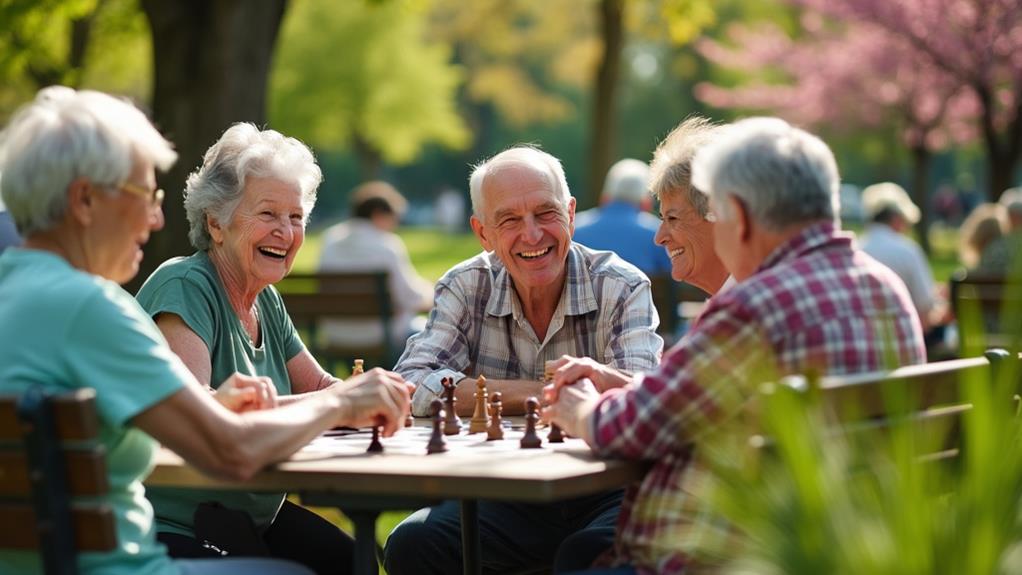
To foster social connections among seniors, encouraging participation in community activities like art classes or exercise groups can greatly alleviate feelings of isolation. Keeping seniors engaged in social activities not only helps them stay active but also provides vital social contact that combats isolation and loneliness. Here are some effective ways to foster these connections:
- Organize Regular Social Events: Hosting events like happy hours or game nights can bring seniors together, allowing them to build and strengthen their social networks. These gatherings create an enjoyable atmosphere where friendships can flourish.
- Facilitate Family and Friends Visits: Encouraging frequent interactions with family and friends, regardless of whether through visits or phone calls, can greatly improve seniors' mood and cognitive function. Maintaining these relationships is fundamental for their emotional well-being.
- Introduce Technology: Teaching seniors to use technology, such as video calls and social media, helps them stay connected with distant loved ones. This modern approach guarantees they can maintain relationships despite physical distances.
Community Programs for Seniors
Community programs for seniors offer structured and engaging opportunities for socialization, markedly reducing the isolation that affects nearly half of older adults. By participating in these programs, you can combat loneliness and improve your mental health through various social activities. Local organizations often provide exercise classes, art workshops, and social outings designed to foster interaction and a sense of belonging.
Research shows that engaging in community activities can greatly improve mental health, lowering the risks of depression and anxiety. These programs offer a supportive environment where you can share experiences and receive emotional support, which further strengthens your social connections and coping mechanisms.
Moreover, community programs for seniors encourage healthier lifestyles. By joining these activities, you're more likely to stay active and take part in wellness initiatives alongside your peers. This not only improves your physical health but also elevates your general well-being.
Involvement in these programs can transform your social life, providing you with meaningful interactions and a robust support network. Embracing these opportunities can make a considerable difference in your quality of life, helping you to stay connected, healthy, and happy.
Technology and Senior Socialization
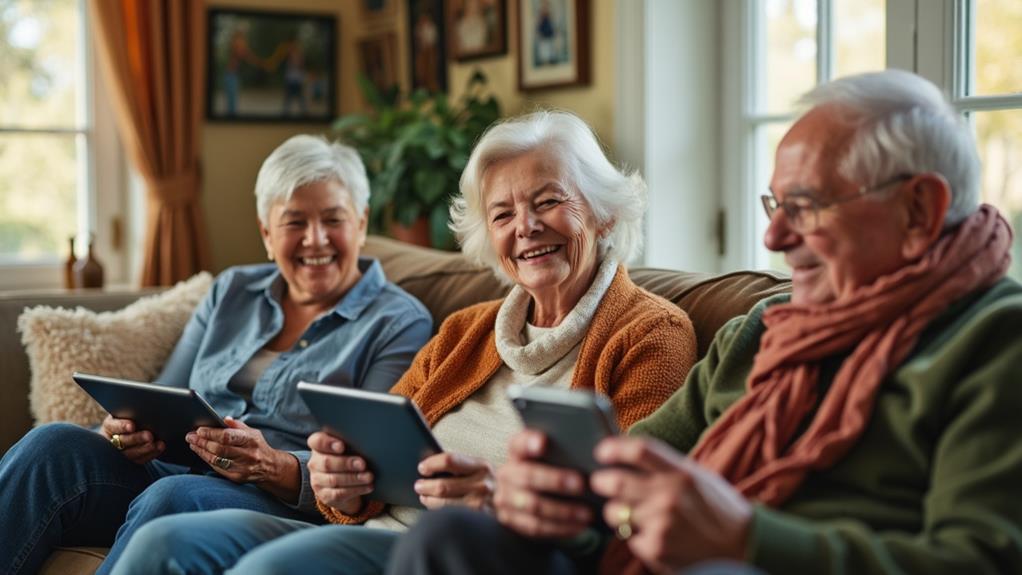
While community programs provide excellent opportunities for in-person interaction, technology offers another powerful avenue for seniors to improve their social lives. By using smartphones and tablets, older adults can easily connect with loved ones through video calls, messaging apps, and social media platforms, bridging the gap of physical distance.
Consider these benefits of socialization through technology:
- Lower Levels of Loneliness: Regular digital interactions help reduce feelings of isolation and improve mental health outcomes.
- Enhanced Cognitive Function: Engaging in online activities stimulates brain activity, promoting mental agility and memory retention.
- Access to Online Communities: Seniors can join platforms designed for them, participate in group activities, and forge new friendships, combating social isolation effectively.
Research has shown that older adults who regularly use technology for social interactions experience significant emotional well-being improvements. The COVID-19 pandemic underscored this, as many seniors turned to virtual meetups and online events to stay connected during lockdowns.
Family's Role in Encouraging Interaction
Families play an essential role in combating social isolation among seniors, markedly reducing feelings of loneliness and enhancing mental well-being through regular interactions. As a family member, you can make a significant difference by encouraging older adults to participate in family gatherings, such as holidays or special occasions. These events foster a sense of belonging, strengthen familial bonds, and provide vital social contact.
Simple gestures like regular phone calls, video chats, or text messages can also have a profound impact on your loved ones. Daily social contact is important for maintaining cognitive health and emotional stability. By keeping in touch frequently, you help create a routine of interaction that benefits their overall well-being.
Engaging seniors in shared activities, like playing games or cooking together, not only promotes interaction but also enhances their self-esteem and sense of purpose. Research shows that older adults who have frequent positive interactions with family members experience better cognitive performance and overall health outcomes.
Your involvement is essential. By actively encouraging and participating in these interactions, you're not just improving their social life but also enhancing their health and quality of life. Your efforts truly make a difference.