The Importance of Staying Hydrated for Seniors

Staying hydrated is crucial as you grow older. It impacts your cognitive function, helping you stay sharp and retain memory. Proper hydration supports urinary health, reducing the risks of incontinence and infections. Drinking enough fluids aids in digestion and prevents common issues like constipation. Seniors should aim for 6-12 cups of fluids daily, depending on gender and activity level. Watch for dehydration signs like dark yellow urine, dizziness, and fatigue. Understanding your unique hydration needs promotes comprehensive well-being and helps you avoid health complications. Investigate more to uncover how hydration benefits different aspects of your health.
Signs and Effects of Dehydration
Given the significance of hydration, it's important to recognize the signs and effects of dehydration in seniors. Dehydration in older adults manifests through different symptoms, such as thirst, dry mouth, fatigue, dizziness, and confusion. Severe cases might lead to dark yellow urine and cracked lips. These symptoms are particularly concerning as approximately 28% of adults aged 60 and older experience dehydration, with chronic dehydration affecting up to 40%.
Even mild dehydration, characterized by just a 2% fluid loss, can greatly impair cognitive function, leading to increased fatigue and confusion. The risk of dehydration is heightened in older adults due to diminished thirst perception, changes in body composition, and medications like diuretics. These factors make it important for seniors to maintain regular fluid intake to avoid health complications.
Chronic dehydration can result in serious health issues, including urinary tract infections, kidney stones, and heat-related illnesses. Recognizing these symptoms early and ensuring adequate hydration can mitigate these risks and improve general well-being. For seniors, maintaining consistent fluid intake is not just about comfort—it's a key part of preserving cognitive function and preventing serious health complications.
Hydration's Role in Senior Health
Staying properly hydrated is essential for seniors, as they're more susceptible to dehydration due to diminished thirst perception and decreased kidney function. Proper hydration plays a significant role in senior health, impacting several key areas. For instance, maintaining adequate fluid intake supports cognitive function, which is critical as even a 2% loss in body fluid can impair memory and brain performance.
Dehydration can also exacerbate urinary health issues, such as incontinence and urinary tract infections. Ensuring you drink enough water can help maintain urinary wellness and prevent these common problems. Moreover, proper hydration aids digestion, helping to prevent constipation—a frequent issue among older adults. Drinking enough fluids can greatly improve your digestive comfort.
The National Academies of Medicine recommend that older men consume 8-12 cups and older women consume 6-9 cups of fluids daily to maintain proper hydration. Adhering to these recommendations can help support your general health, including your kidney function, which tends to decline with maturity. So, it's essential to prioritize your fluid intake to stay healthy and active.
Cognitive Benefits of Hydration
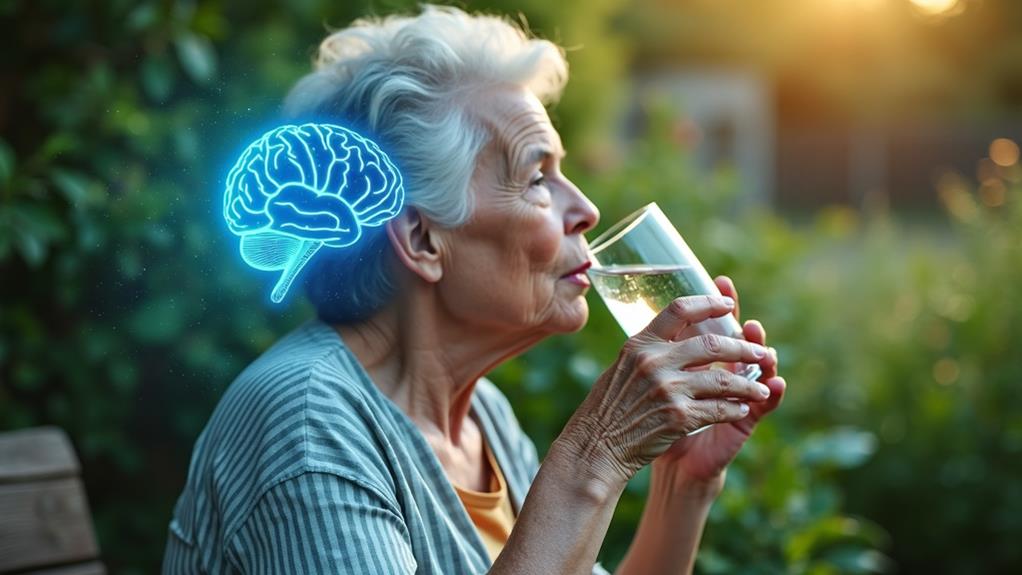
As we've seen, proper hydration plays a key role in maintaining general health in seniors, and its impact on cognitive function is particularly significant. Adequate fluid intake is crucial for brain health, given that the brain is about 75% water. For older adults, staying well-hydrated can improve memory and mental clarity. Even a slight 2% fluid loss can affect your focus and cognitive wellness.
Dehydration can lead to increased fatigue, making it harder for you to stay mentally sharp. Studies show that consistent hydration levels are directly linked to better cognitive function and responsiveness. Chronic dehydration may even exacerbate symptoms of dementia, further underscoring the importance of regular fluid intake for your cognitive wellness.
When you're properly hydrated, your brain processes information more effectively, and you react quicker. This improved mental sharpness can make daily activities less challenging and more enjoyable. In contrast, neglecting hydration can lead to cognitive decline, making simple tasks seem overwhelming. By prioritizing hydration, you can help maintain your cognitive function and overall brain health, ensuring a better quality of life as you grow older.
Digestive Health and Hydration
Maintaining digestive health in seniors is closely tied to proper hydration. Adequate water intake helps soften stools and prevent constipation, a common issue affecting up to 30% of older adults. When you stay well-hydrated, it supports the production of digestive juices and enzymes, making it easier for your body to break down and absorb nutrients from food. This can greatly reduce digestive discomfort, such as bloating and indigestion.
Regular fluid consumption is particularly essential as you grow older. Age-related changes can decrease your body's ability to retain water, exacerbating digestive issues. By drinking enough fluids, you can help mitigate these effects and maintain better gastrointestinal health. Incorporating water-rich foods like fruits and vegetables into your diet can also improve your hydration, providing further support for your digestive system.
Daily Water Intake Recommendations
Proper hydration not only supports digestive health but also plays a significant role in general well-being for seniors. Drinking enough water daily is vital to maintain good health and prevent dehydration. The National Academies of Medicine recommend that women 51 and older should aim for 9 cups (2.2 liters) of fluids each day, while men should target 13 cups (3 liters).
Here are some key recommendations to help you stay hydrated:
- Follow Daily Fluid Intake Guidelines: Aim for eight 8-ounce glasses of water per day as a general guideline, but remember, individual needs can vary based on activity level and health conditions.
- Monitor Urine Color: Pale yellow urine usually indicates adequate hydration, while dark yellow urine suggests you need more fluids.
- Increase Intake in Certain Conditions: During hot weather or physical activity, you should enhance your fluid intake to prevent dehydration, especially since older adults often have a reduced perception of thirst.
Strategies to Promote Hydration
Effectively promoting hydration among seniors often requires a combination of strategic approaches. Start by offering appealing fluid options like flavored water, herbal teas, and smoothies to make increasing daily water intake more enjoyable. Seniors often enjoy these tasty alternatives, which can help them stay hydrated without feeling like they're forcing down plain water.
Incorporating water-rich fruits and vegetables into meals and snacks is another excellent strategy. Foods like cucumbers and watermelon not only enhance hydration but also provide vital nutrients. This dual benefit makes it easier to maintain a healthy water intake.
Setting reminders to drink water at regular intervals is fundamental, especially since older adults often experience reduced thirst perception. Simple reminders, such as alarms or notes, can greatly improve hydration habits.
Carrying a reusable water bottle encourages consistent hydration throughout the day. Make it a habit to drink water with every meal to create a routine.
Lastly, monitoring urine color is a practical way to assess hydration status. Aim for a pale yellow color, which indicates adequate hydration. Implementing these strategies can help seniors maintain ideal hydration and general health.
Debunking Hydration Myths

How often have you heard that you should drink eight glasses of water a day? This common advice isn't one-size-fits-all, especially for senior adults. Let's debunk some persistent hydration myths.
First, many believe that thirst is a reliable indicator of hydration. However, senior adults may not feel thirsty even when dehydrated. This can lead to inadequate fluid intake and serious health issues.
Second, not all beverages hydrate similarly. Caffeine and alcohol act as diuretics, increasing fluid loss and potentially leading to dehydration. Be mindful of what you're drinking.
Third, hydration needs vary greatly based on individual factors such as maturity, weight, activity level, and health conditions. The eight-glasses rule doesn't apply universally. Here's a quick guide to keep you on track:
- Listen to Your Body: Thirst might not be a perfect indicator, but it's one of several cues.
- Diversify Your Fluids: Include water-rich foods like fruits and vegetables.
- Stay Mindful Year-Round: Hydration is vital in all seasons, not just during hot weather.
Resources for Hydration Support
Staying adequately hydrated is fundamental for seniors, and there are plenty of resources to help with this. The National Council on Aging offers valuable information on the importance of hydration for older adults, providing tips for maintaining proper fluid intake. You can find community programs that offer hydration education tailored specifically for seniors, emphasizing the health risks associated with dehydration.
If you're a caregiver or healthcare professional, professional advice on hydration and nutrition is readily available to help you monitor and improve hydration levels in older adults. Managing health conditions through proper hydration is critical, and many online articles and guides highlight its role in preventing chronic diseases. These resources are accessible and can make a significant difference in maintaining the wellness of older adults.
Advocacy for better aging policies also plays an important role in ensuring that older adults have access to necessary support and resources for staying hydrated. By leveraging these resources, you can help mitigate the risk of dehydration and promote general well-being. Remember, proper hydration is a key component of a healthy lifestyle, especially for seniors.